Navigating the Global Market: Your Comprehensive Mea Chemical Guide
Embarking on international trade for specialty chemicals requires a robust understanding of the market dynamics, operational complexities, and compliance requirements. This comprehensive Mea chemical guide aims to equip you with the essential knowledge for successful transactions, covering everything from product specifications to Mea export and Mea import procedures. Navigating the global Mea industrial material landscape can seem daunting, but with the right information, your business can thrive.
Table of Contents
Executive Summary
- This guide provides a detailed overview of Mea chemical guide essentials, focusing on product, export, and import processes.
- Key operational aspects like packaging, MOQs, lead times, and Incoterms are explained to facilitate seamless global trade.
- Crucial documentation and compliance requirements for Mea industrial material are highlighted to ensure regulatory adherence.
- Strategies for mitigating risks and managing claims are discussed for robust international Mea export operations.
- The ultimate aim is to empower buyers and sellers for efficient and profitable dealings in the Mea chemical marketplace.
Understanding Mea Chemical: Specifications and Grades
The efficacy and suitability of any chemical for a specific application hinge on its precise specifications and defined grades. For Mea chemical, this translates to understanding its purity levels, physical characteristics, and any specific industry-standard certifications it may hold. Buyers must meticulously review the Technical Data Sheet (TDS) provided by the supplier, which details critical parameters such as assay, moisture content, pH, density, and particle size distribution. Understanding these specifications is foundational to ensuring the Mea product will perform as expected in your manufacturing processes.
Different applications often necessitate distinct grades of Mea chemical. For instance, a pharmaceutical application will demand a much higher purity grade than an industrial cleaning solvent. These grades are typically defined by regulatory bodies or international standards, ensuring consistency and quality. Familiarizing yourself with these distinctions is vital for making informed purchasing decisions and avoiding costly mismatches when engaging in Mea import.

| Grade | Typical Purity | Key Applications | Indicative Characteristics |
|---|---|---|---|
| Technical | 95-98% | Industrial cleaning, coatings, general synthesis | Standard purity, may contain trace impurities |
| Industrial | 98-99% | Manufacturing intermediates, textiles, agriculture | Higher purity than technical, consistent performance |
| Pharma | 99.5%+ | Pharmaceutical synthesis, active ingredient production | Extremely high purity, stringent impurity profiles, GMP compliance |
| Food Grade | 99%+ | Food additives, preservatives, processing aids | Meets food safety standards, trace metals and toxins limited |
Note: Purity levels and specific parameters can vary between manufacturers. Always refer to the supplier’s specific TDS.
Ultimately, selecting the correct grade of Mea chemical directly impacts product quality, process efficiency, and end-product compliance. This careful selection is a cornerstone of responsible Mea chemical sourcing.
Packaging and Palletization for Mea Chemical
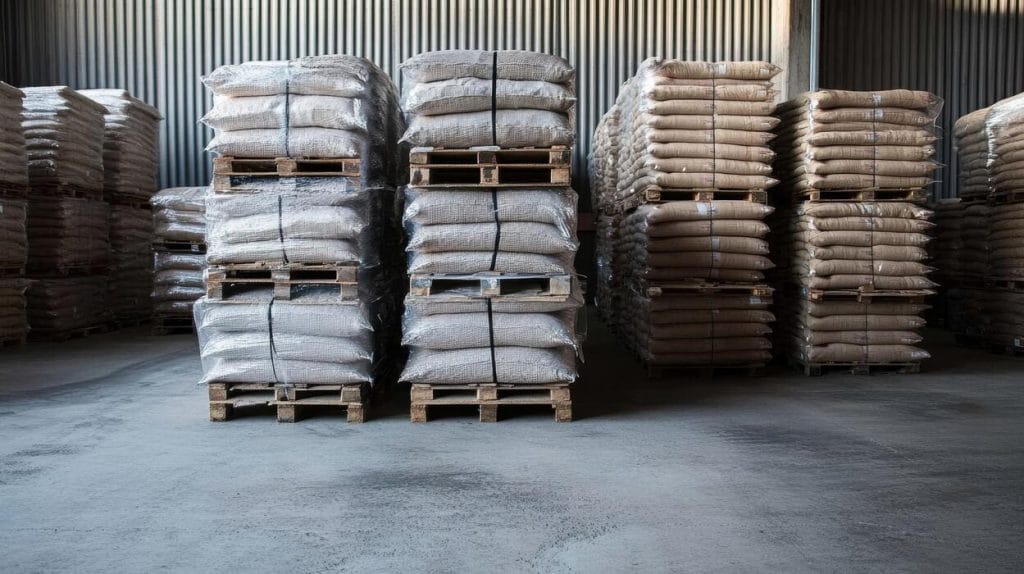
The integrity of Mea chemical during transit is paramount, and this begins with appropriate packaging. Suppliers typically offer Mea product in a range of standard packaging options designed to protect the contents from contamination, moisture, and physical damage. Common choices include multi-wall paper bags with plastic liners, often ranging from 25 kg to 50 kg, designed for ease of handling. For larger volumes, jumbo bags (also known as Flexible Intermediate Bulk Containers or FIBCs), typically holding 500 kg to 1000 kg, are frequently utilized.
Proper palletization is equally crucial for efficient handling and stability during shipping. Mea chemical is often palletized with the bags or FIBCs stacked uniformly and secured with stretch wrap or strapping. The type of pallet used (e.g., standard European or American pallets) can depend on the destination country’s logistical infrastructure and import regulations. Ensuring that packaging and palletization meet international standards is a key consideration for successful Mea export.
The choice of packaging can also be influenced by the shelf-life requirements of the Mea chemical and the environmental conditions it will encounter. Air-tight seals and moisture-barrier liners are essential for hygroscopic materials. Understanding these packaging nuances will contribute to maintaining the quality of the Mea product throughout its journey to the end-user.
Minimum Order Quantity (MOQ) and Lead Times
When planning your Mea chemical import, understanding the supplier’s Minimum Order Quantity (MOQ) and lead times is essential for inventory management and production scheduling. MOQs are the smallest quantity of goods a supplier is willing to sell, and these can vary significantly based on the Mea chemical product, the supplier’s production capacity, and market demand. Smaller quantities might be available from distributors, while direct manufacturers often have higher MOQs to optimize their production runs.
Lead times encompass the period from order placement to the goods being ready for shipment. This duration typically includes production time, quality control checks, and preparation for dispatch. For Mea export, factors such as customs clearance at the origin, port congestion, and the availability of shipping vessels can influence the final delivery schedule. It is prudent to account for potential delays by building buffer time into your planning.
Negotiating MOQs and lead times is a common practice in international chemical trade. A consistently good buyer-supplier relationship can sometimes result in more flexible terms. Clearly communicating your projected needs and timelines can help suppliers better accommodate your requirements, fostering a smoother Mea chemical supply chain.
Documentation and Compliance for Mea Import and Mea Export
Navigating the regulatory landscape is perhaps the most critical aspect of international Mea chemical trade. For both Mea import and Mea export, a comprehensive set of documents is required to ensure compliance with national and international regulations, as well as to facilitate customs clearance. A typical documentation package includes
- Certificate of Analysis (CoA): This document verifies that a specific batch of Mea chemical meets the agreed-upon specifications. It’s crucial for quality assurance.
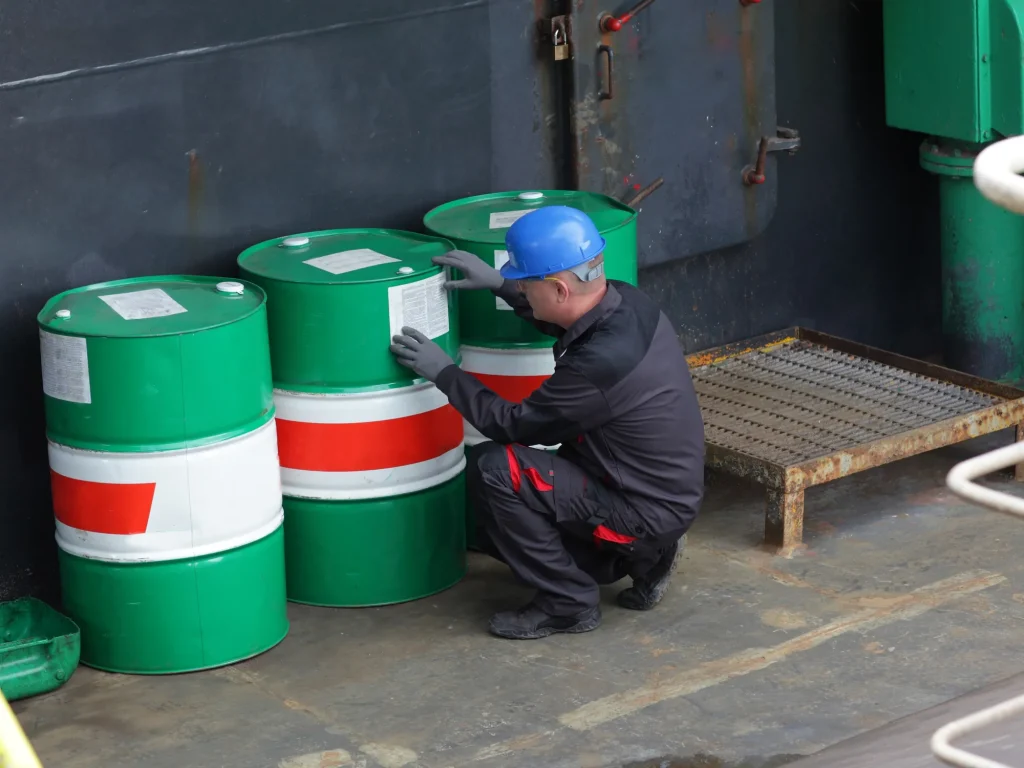
- Material Safety Data Sheet (MSDS) / Safety Data Sheet (SDS): Providing detailed information on the chemical’s properties, hazards, safe handling, storage, and emergency procedures. This is a mandatory document for most international shipments.
- Commercial Invoice: Outlining the transaction details, including quantities, descriptions, prices, and parties involved.
- Packing List: Detailing the contents of each package, including weight, dimensions, and markings, which aids in inventory management and customs inspection.
- Bill of Lading (B/L) or Air Waybill (AWB): The receipt of shipment issued by the carrier, serving as evidence of the contract of carriage.
- Certificate of Origin (COO): Verifies the country where the Mea chemical was manufactured, which may be required for tariff purposes.
Mini-Checklist: Essential Documents for Mea Chemical Trade
- [ ] Verify the latest versions of MSDS/SDS are available and compliant with destination country regulations.
- [ ] Ensure CoA accurately reflects the specifications of the batch being shipped.
- [ ] Confirm the Commercial Invoice and Packing List match the Bill of Lading.
- [ ] Obtain necessary import permits or licenses for the Mea chemical in the destination country.
- [ ] Secure a Certificate of Origin if preferential trade agreements are being utilized.
- [ ] Familiarize yourself with REACH (Registration, Evaluation, Authorisation and Restriction of Chemicals) or similar regional chemical regulations if applicable.
Compliance with regulations such as hazardous materials transport classifications, labeling requirements, and import/export licensing is non-negotiable. Failure to comply can result in significant delays, fines, or seizure of goods. Therefore, a thorough understanding of the regulatory requirements for both Mea import and Mea export is a prerequisite for any successful transaction. Consulting with customs brokers and regulatory experts is highly recommended.
Logistics and Incoterms: Mastering Mea Chemical Movement
The physical movement of Mea chemical across international borders involves complex logistics and a clear understanding of Incoterms®. Incoterms®, published by the International Chamber of Commerce (ICC), define the responsibilities of buyers and sellers in international transactions, particularly concerning cost, risk, and insurance during transit. Choosing the appropriate Incoterm is crucial for determining who is responsible for freight costs, insurance, customs duties, and the point at which risk transfers from seller to buyer.
Several Incoterms are commonly used in the Mea chemical trade:
- EXW (Ex Works): The seller makes the Mea product available at their premises. This is the buyer’s highest cost and risk, as they are responsible for all transportation, insurance, and export/import formalities.
- FOB (Free On Board): The seller delivers the Mea chemical onboard the vessel nominated by the buyer at the named port of shipment. Risk and costs transfer once the goods are onboard.
- CIF (Cost, Insurance, and Freight): The seller pays for the cost of the Mea chemical, insurance, and freight to the named destination port. Risk transfers to the buyer when the goods are loaded onto the vessel.
- DDP (Delivered Duty Paid): The seller delivers the Mea product to the buyer’s premises, cleared for import and ready for unloading. This is the seller’s highest cost and risk, as they handle all aspects of the shipment, including duties and taxes.
When planning Mea export or Mea import, selecting an Incoterm should align with your company’s logistical capabilities, risk appetite, and contractual relationships. For example, using CIF can be advantageous for buyers who prefer not to manage sea freight directly, while EXW offers maximum control for experienced importers.
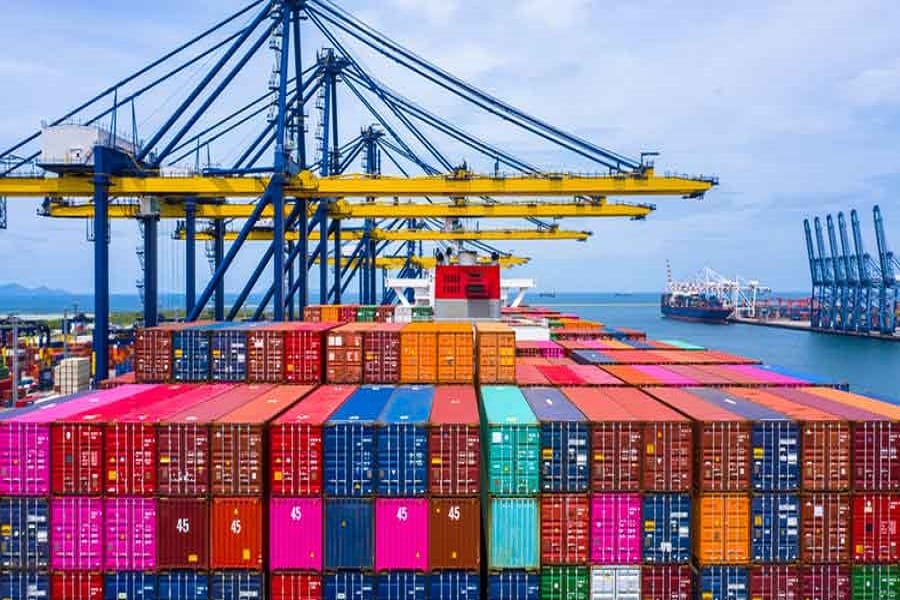
Beyond Incoterms, consider the mode of transport (sea, air, or land), packaging suitability for the chosen mode, and the reliability of logistics providers. Effective supply chain management ensures that Mea chemical reaches its destination safely and on time, forming the backbone of efficient global trade.
Mitigating Risk and Handling Claims in Mea Export
Engaging in Mea export inherently involves certain risks, from potential damage or loss of goods during transit to disputes over quality or delivery. Proactive risk mitigation and a clear process for handling claims are essential for protecting your business interests. A fundamental step in mitigating risk is thorough due diligence on your trading partners, including suppliers and buyers.
Ensuring that your Mea chemical is packaged, labeled, and documented correctly according to international transport regulations (e.g., IMDG Code for sea transport) is paramount. Choosing reputable freight forwarders and carriers with a proven track record in handling chemicals can also significantly reduce the likelihood of transit-related issues. Adequate cargo insurance, tailored to the specific value and nature of the Mea product, provides financial protection against unforeseen events.
Should an issue arise, such as damaged goods or a discrepancy in quantity or quality, a well-defined claims process is crucial. This typically involves:
- Immediate Notification: Informing the supplier, carrier, and/or insurer as soon as possible after discovering the issue. Strict time limits often apply for lodging formal claims.
- Evidence Gathering: Collecting all relevant evidence, including photographs of damage, inspection reports, discrepancies in documentation, and samples of the affected Mea chemical.
- Formal Claim Submission: Submitting a detailed written claim, supported by all gathered evidence, within the stipulated timeframe.
- Negotiation and Resolution: Working with the relevant parties to reach a mutually acceptable resolution, which could involve replacement, repair, or financial compensation.
For any Mea export operation, understanding the dispute resolution mechanisms outlined in your sales contracts and being prepared to follow them diligently is key to successfully navigating challenges and maintaining strong business relationships.

Conclusion: Your Strategic Partner in the Mea Chemical Market
Successfully navigating the complexities of the global Mea chemical market requires more than just product knowledge; it demands a holistic approach that integrates understanding specifications, managing logistics, ensuring compliance, and mitigating risks. This Mea chemical guide has equipped you with the foundational knowledge to approach Mea export and Mea import with confidence.
By meticulously attending to packaging details, lead times, documentation, and Incoterms, you establish a robust framework for efficient and reliable transactions. Proactive risk management and a clear claims process are vital safeguards in the international trade arena.
Whether you are a seasoned player or new to international Mea chemical trade, staying informed and prepared is your greatest asset. To further optimize your operations and gain a competitive edge, consider partnering with an experienced chemical trading specialist who can provide tailored solutions and support your global ambitions. Let us be your strategic ally in mastering the Mea chemical marketplace.