
Where Methanol Moves in 2026: Navigating Export Markets, Grades, and Logistics
Understanding where methanol moves in 2026 is critical for businesses navigating the complex global chemical trade. The methanol export markets 2026 landscape is evolving, presenting opportunities and challenges across fuel grade vs chemical grade, indicative pricing windows, MOQs, packaging, logistics, and safety docs. This comprehensive guide provides an essential overview for buyers, suppliers, and logistics professionals looking to optimize their methanol procurement and distribution strategies.
Table of Contents
Executive Summary
This article provides a strategic overview of where methanol moves in 2026, focusing on key considerations for international trade.
- Grade Differentiation: Key distinctions between fuel-grade and chemical-grade methanol are crucial for application suitability and pricing.
- Market Intelligence: Understanding indicative pricing windows, MOQs, and lead times is vital for procurement planning and negotiation.
- Logistical Preparedness: Robust packaging, comprehensive safety documentation, and well-defined logistics, including Incoterms, are paramount for smooth and compliant global trade.
Understanding Methanol Grades: Fuel vs. Chemical
Distinguishing between fuel grade and chemical grade methanol is fundamental to understanding where methanol moves in 2026. While the chemical composition (CH₃OH) remains the same, their intended uses and purity specifications differ significantly, impacting their market value and application.
Fuel Grade Methanol is primarily used as an additive to gasoline to boost octane ratings and reduce emissions. It must meet specific standards outlined by organizations like ASTM for use in transportation fuels. Key considerations include lower levels of certain impurities that could damage engine components or affect combustion. The Methanol Export Markets 2026 is often tied to fuel blending mandates and the renewable energy sector, particularly with the rise of methanol as a marine fuel and its potential in hydrogen production.
Chemical Grade Methanol, also known as technical grade, is used as a feedstock or solvent in a vast array of chemical processes. These include the production of formaldehyde, acetic acid, MTBE (methyl tert-butyl ether), DME (dimethyl ether), and various plastics, resins, and pharmaceuticals. Chemical grades often have stricter purity requirements for specific impurities, as even trace contaminants can disrupt sensitive chemical reactions or compromise the quality of the final product. Different chemical applications may demand different purity levels, leading to nuanced specifications within the broader chemical grade category.

The methanol export markets 2026 will continue to see demand driven by both sectors. Buyers must be acutely aware of which grade they require to ensure proper application and avoid costly mismatches.
Chemical versus Fuel Grade Methanol Comparison
| Feature | Fuel Grade Methanol | Chemical Grade Methanol |
|---|---|---|
| Primary Use | Fuel additive, marine fuel, hydrogen production | Chemical feedstock, solvent, manufacturing intermediate |
| Purity | Meets fuel standards (e.g., ASTM D4806), acceptable trace impurities | Often higher purity, stringent limits on specific impurities |
| Pricing | Generally linked to fuel commodity markets | Influenced by feedstock costs and specific purity premiums |
| Applications | Gasoline blending, alternative fuels, energy | Formaldehyde, acetic acid, plastics, pharmaceuticals, solvents |
Indicative Pricing Windows and Market Dynamics
Navigating indicative pricing windows for methanol requires a keen understanding of global supply and demand, feedstock costs, and geopolitical factors. The price of methanol is intrinsically linked to the price of its primary feedstocks: natural gas and, increasingly, coal, particularly in regions like China. Fluctuations in energy markets, therefore, directly impact methanol production costs.
Regional dynamics also play a significant role in methanol export markets 2026. Major producing regions include the Middle East, North America, and Asia. The availability of competitively priced natural gas in North America and the Middle East has supported robust production, influencing global prices. Conversely, shifts in Asian production capacity, driven by energy policies and feedstock availability, can send ripples across international markets.
Demand-side factors are equally important. Growth in methanol as a marine fuel, the continued use in chemical synthesis, and its emerging role in the hydrogen economy all contribute to price pressures. Buyers should monitor these trends to anticipate potential shifts in indicative pricing windows. For instance, a surge in demand for methanol as a cleaner marine fuel could elevate prices, especially for fuel-grade specifications, impacting the cost of imports for regions with limited domestic production.

It is crucial to remember that any prices quoted are indicative and subject to significant market volatility. Contractual agreements will typically lock in specific pricing mechanisms, often based on established indices plus or minus a differential, or through fixed-price arrangements for defined periods.
For insights into global chemical pricing trends, consider consulting reports from reputable industry analysis firms. Understanding the historical price trends and future forecasts, while non-binding, can significantly inform your procurement strategy.
Minimum Order Quantities (MOQs) and Lead Times
Understanding MOQs and lead times is paramount for efficient inventory management and supply chain planning when procuring methanol. The scale of methanol production and global distribution means that suppliers often have minimum volume requirements for transactions.
MOQs vary significantly based on the supplier, the packaging format, and the specific methanol export markets 2026. For bulk shipments (e.g., full shiploads or ISO tanks), MOQs can be in the thousands of metric tons. For smaller packaging, such as drums or intermediate bulk containers (IBCs), MOQs might be lower but still substantial, possibly ranging from one container load (e.g., 20-24 metric tons for drums) to several. Smaller buyers might need to work through distributors who consolidate orders to meet supplier MOQs.
Lead times are influenced by several factors, including production schedules, vessel availability, port congestion, and customs clearance processes. Standard lead times for bulk shipments can range from 2 to 6 weeks from confirmed order, while smaller packaged orders might have slightly shorter lead times once the product is available at a distribution hub. However, unexpected disruptions—such as weather events, geopolitical issues, or plant maintenance—can extend these timelines considerably.
When negotiating, buyers should clearly communicate their required delivery windows and inquire about the supplier’s capacity to meet them. Building strong relationships with suppliers or working with experienced logistics partners can help mitigate lead time risks. It’s advisable to factor in buffer times in your own operational planning to account for potential delays, especially when planning for critical production cycles.
Packaging Solutions: From Bulk to Smaller Units
The way methanol is packaged and transported is a critical factor in its distribution and cost-effectiveness, directly impacting where methanol moves in 2026 The choice of packaging depends on the volume required, the destination, and the end-use.
Bulk Shipments: The most common method for large-scale international trade is via dedicated chemical tankers or parcel tankers. These vessels carry thousands of metric tons of methanol. For large individual buyers or transshipment points, ISO tank containers (typically 20,000-26,000 liters or approximately 16-21 metric tons) offer flexibility and intermodal capabilities, allowing seamless transfer from ship to rail or truck.
Intermediate Bulk Containers (IBCs): IBCs, commonly 1,000-liter capacity tanks, are a popular choice for medium-volume users. An IBC typically holds around 800 kg of methanol and is often transported on a standard pallet. A 20-foot container can typically accommodate 16-20 IBCs. These are suitable for many industrial chemical applications.
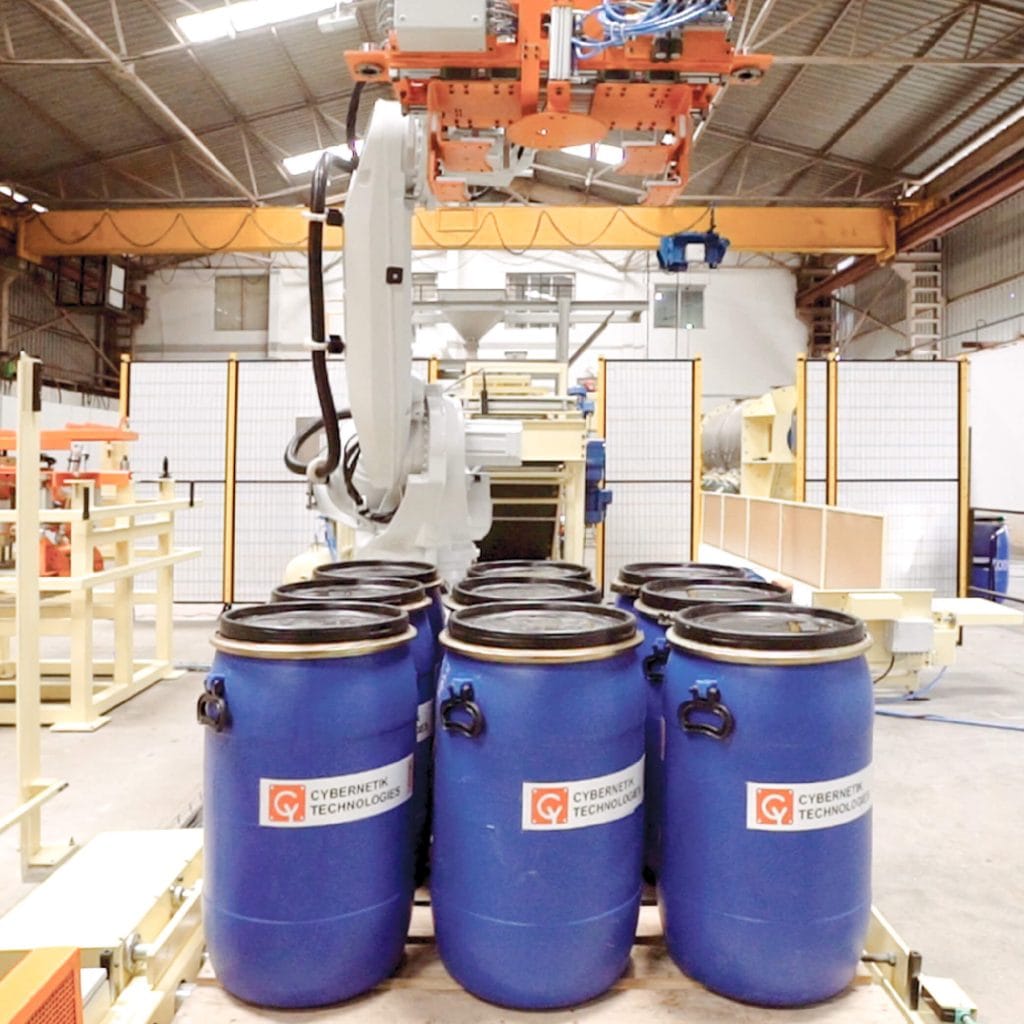
Drums: For smaller quantities or specific processing needs, methanol is often supplied in steel drums, typically 200-210 liters (approximately 160-170 kg). These drums are easier to handle and dispense for laboratories, pilot plants, or niche manufacturing processes. Standard 20-foot containers can hold around 80 drums.
Specialty Packaging: In some niche applications, methanol might be supplied in smaller containers like plastic bottles or specialized chemical-resistant bags, though these are less common for significant export volumes.
The choice of packaging directly influences the MOQs, logistics, and the overall cost per unit. Buyers should carefully assess their consumption patterns and infrastructure to select the most appropriate and cost-effective packaging solution.
Methanol Packaging Options: A Quick Overview
| Packaging Type | Typical Volume/Capacity | Approximate Metric Tons | Typical Container Load (20ft) | Applications |
|---|---|---|---|---|
| Bulk Tanker | 10,000+ MT | N/A (Vessel Size) | N/A | Large-scale imports, production facilities |
| ISO Tank | 20,000 – 26,000 Liters | 16 – 21 MT | 1 unit | Intermodal, mid-to-large volume users |
| IBC (1000L) | 1,000 Liters | ~0.8 MT | 16 – 20 units | Medium-volume chemical users, solvents |
| 200L Drum | 200 – 210 Liters | ~0.16 MT | ~80 units | Small-scale users, laboratories, specific processes |
Documentation and Compliance: Essential Safety Docs
Navigating international trade for chemicals like methanol necessitates meticulous attention to safety docs and compliance. Robust documentation ensures legal adherence, safe handling, and smooth clearance through customs and regulatory checkpoints, which is critical for where methanol moves in 2026.
The cornerstone of methanol documentation is the Safety Data Sheet (SDS), formerly known as MSDS (Material Safety Data Sheet). The SDS provides comprehensive information on the chemical’s properties, hazards, safe handling procedures, emergency measures, and disposal recommendations. It must comply with the Globally Harmonized System of Classification and Labelling of Chemicals (GHS) standards, adapted for the regulations of both the exporting and importing countries.
Certificates of Analysis (CoA) are also vital. A CoA confirms that a specific batch of methanol meets the agreed-upon specifications, detailing the purity and levels of key impurities. For buyers, especially those in sensitive chemical applications, the CoA is a critical quality assurance document.
Other essential safety docs and shipping documents include:
- Bill of Lading (BOL): The contract between the shipper and the carrier, detailing the goods, origin, and destination.
- Commercial Invoice: Outlines the transaction details, including quantity, description, price, and terms of sale.
- Packing List: Details the contents of each shipping unit (drum, IBC, or container).
- Dangerous Goods Declaration: For international air and sea transport (e.g., IMDG Code for sea), declaring methanol as a hazardous material, requiring specific labeling and packaging.
- Country-Specific Import Permits/Licenses: Depending on the destination, specific import regulations and permits may be required.
Ensuring all safety docs are accurate, up-to-date, and readily available is not just a regulatory requirement but a crucial element of buyer protection and operational safety. A failure to provide correct documentation can lead to significant delays, fines, or even shipment rejection.
Methanol Export Documentation Checklist
- [ ] Safety Data Sheet (SDS) compliant with GHS and local regulations
- [ ] Certificate of Analysis (CoA) for the specific batch
- [ ] Bill of Lading (BOL) or Sea Waybill
- [ ] Commercial Invoice
- [ ] Packing List
- [ ] Dangerous Goods Declaration (if applicable)
- [ ] Material Halal/Kosher Certificate (if applicable for specific end-markets)
- [ ] Country-specific import permits/declarations (buyer to verify)
Logistics and Incoterms: Navigating Global Shipping
Efficient logistics and a clear understanding of Incoterms are fundamental to the successful international movement of methanol and are key determinants of operational costs and responsibilities in the methanol export markets 2026. Incoterms, published by the International Chamber of Commerce (ICC), define the responsibilities, costs, and risks associated with the transport and delivery of goods.
Choosing the correct Incoterm is crucial. Here are common examples applicable to methanol trade:
- EXW (Ex Works): The seller makes the goods available at their premises. The buyer bears all costs and risks of moving the goods from that point to the final destination. This offers the seller minimal responsibility but places maximum risk on the buyer methanol export markets 2026.
- FOB (Free On Board): The seller delivers the goods on board the vessel nominated by the buyer at the named port of shipment. The seller is responsible for export clearance and costs up to the point the goods are on board. Risk transfers to the buyer once the goods are on board.
- CFR (Cost and Freight): Similar to FOB, but the seller pays for the carriage of the goods to the named port of destination. Risk transfers to the buyer when the goods are on board the vessel at the port of shipment.
- CIF (Cost, Insurance, and Freight): Similar to CFR, but the seller also procures and pays for marine insurance against the buyer’s risk of loss or damage during carriage.
- DDP (Delivered Duty Paid): The seller delivers the goods, cleared for import, to the buyer at the named destination. The seller bears all costs and risks, including import duties and taxes. This offers the buyer maximum convenience but often comes at a higher price.
When considering where methanol moves in 2026, the choice of Incoterm will directly dictate who arranges and pays for shipping, insurance, export/import customs clearance, handling charges, and warehousing.
For methanol, which is classified as a hazardous material, specialized transportation is required. This includes approved shipping containers, tanks, and adherence to strict handling protocols in methanol export markets 2026. Logistics providers specializing in chemical transport are indispensable for ensuring compliance and safety.

Risk Management and Claims
Even with meticulous planning, unforeseen events can impact methanol shipments. Effective risk management and a clear claims process are essential components of navigating where methanol moves in 2026.
Potential Risks include:methanol export markets 2026
- Transit Damage: Damage to packaging (drums, IBCs, ISO tanks) during loading, unloading, or transit, leading to leaks or product loss.
- Contamination: Accidental ingress of foreign substances during handling or transit, compromising product purity. This is particularly critical for chemical-grade methanol.
- Shortage: Discrepancies in quantity upon arrival compared to the shipped amount.
- Delays: Extended transit times due to port congestion, weather, or logistical breakdowns, potentially disrupting production schedules.
- Quality Rejection: Product failing to meet agreed specifications upon arrival, often identified through downstream analysis.
Claims Process: If a risk materializes, a formal claims process must be initiated. This typically involves:
- Notification: Promptly notifying the responsible party (carrier, insurer, or seller, depending on the Incoterm and contract) of the issue.
- Evidence Gathering: Documenting the issue thoroughly. This includes taking clear photographs or videos of damaged packaging, product leakage, or evidence of contamination. Obtaining signed joint surveys by mutually accepted surveyors at the discharge port is often a critical step, especially for bulk shipments.
- Formal Claim Submission: Submitting a detailed claim with all supporting documentation (e.g., survey reports, photos, commercial invoice, Bill of Lading) within the timeframes stipulated by the contract or carrier’s terms.
Understanding your contractual rights and obligations, particularly as defined by the chosen Incoterms, is fundamental to a successful claims resolution. Building relationships with reliable logistics partners and insurers can provide significant support in managing and resolving these issues. Buyers should also consider product liability insurance to cover downstream damages in case of product quality issues.
Conclusion and Call to Action
As the global chemical landscape continues to evolve, a strategic understanding of where methanol moves in 2026 is more critical than ever. From precisely differentiating between fuel grade vs chemical grade to navigating indicative pricing windows, MOQs, and the complexities of packaging, logistics, and essential safety docs, informed decision-making is key to success.
By meticulously planning your procurement, understanding the responsibilities dictated by Incoterms, and preparing for potential risks, you can ensure a smooth and reliable supply chain for your methanol needs. Successfully leveraging the methanol export markets 2026 requires foresight, diligence, and strong partnerships.
For businesses seeking expert guidance and a reliable supply of methanol, engaging with experienced suppliers and logistics providers who can offer tailored solutions based on your specific requirements is paramount. Contact us today to discuss your methanol procurement strategy and secure your supply for the evolving demands of 2026.