
A comprehensive guide on where can I buy caustic soda is essential for any industrial procurement professional. Understanding the nuances of sourcing this vital chemical, also known as sodium hydroxide, can significantly impact your supply chain efficiency and cost-effectiveness.

Table of Contents
Executive Summary
- Diverse Sourcing Options: You can buy caustic soda from large-scale chemical manufacturers, specialized distributors, and trading companies, each offering different benefits in terms of volume, price, and service.
- Critical Quality Parameters: Purity levels (e.g., 99% min for solid forms) and physical form (flakes, pearls, liquid) are paramount. Ensure specifications meet your industrial process requirements.
- Logistical and Compliance Essentials: Understanding Incoterms, necessary documentation (COA, MSDS), and regulatory compliance is vital for smooth international and domestic transactions.
- Risk Mitigation Strategies: Proactive supplier vetting, clear contractual terms, and contingency planning are key to minimizing delays, quality issues, and other supply chain disruptions.
Understanding Caustic Soda: Forms, Purity, and Grades
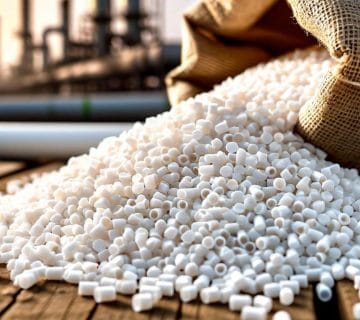
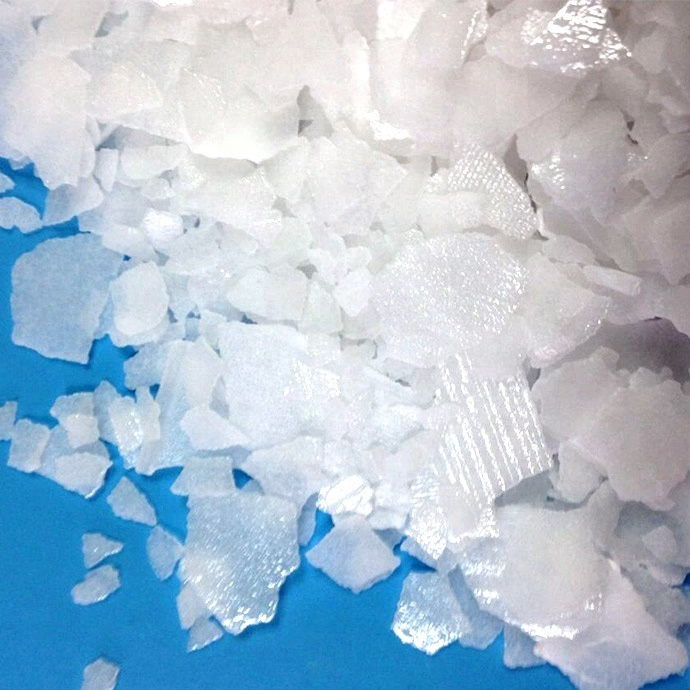
When seeking to buy caustic soda, the first step is to familiarize yourself with its common forms and purity levels. Caustic soda, chemically known as sodium hydroxide (NaOH), is a highly alkaline and versatile industrial chemical. It is typically available in solid forms such as flakes, pearls (or beads), and granular, as well as in liquid solutions. Each form has specific applications and handling requirements.
The purity of caustic soda is a critical specification. Industrial grades commonly range from 98% purity upwards for solid forms, with 99% being a prevalent standard for many applications. Liquid caustic soda is usually sold as a solution, with common concentrations being 25%, 50%, or 73% by weight. The presence of impurities, such as carbonates, chlorides, and sulfates, can affect its performance in sensitive industrial processes, so specifying a high-purity grade is often necessary.
Different grades of caustic soda are produced to meet varying industry standards and purity requirements. For instance, food-grade caustic soda has stringent limitations on heavy metals and other contaminants, while technical or industrial grades may have more relaxed specifications suitable for heavy-duty applications like pulp and paper manufacturing, textile processing, or soap and detergent production. Understanding your specific application’s needs will guide you in selecting the appropriate grade and form when you buy caustic soda.
For a detailed look at chemical specifications, it’s always advisable to consult manufacturer data sheets and technical documentation. You can find more information on sodium hydroxide’s chemical properties and uses on reputable chemical databases.
Packaging and Palletization Considerations
The way caustic soda is packaged and palletized is crucial for safe handling, transportation, and storage. When you buy caustic soda, especially in its solid forms (flakes, pearls, granular), it is typically supplied in multi-wall paper bags, woven polypropylene (PP) bags, or larger flexible intermediate bulk containers (FIBCs), often referred to as jumbo bags.
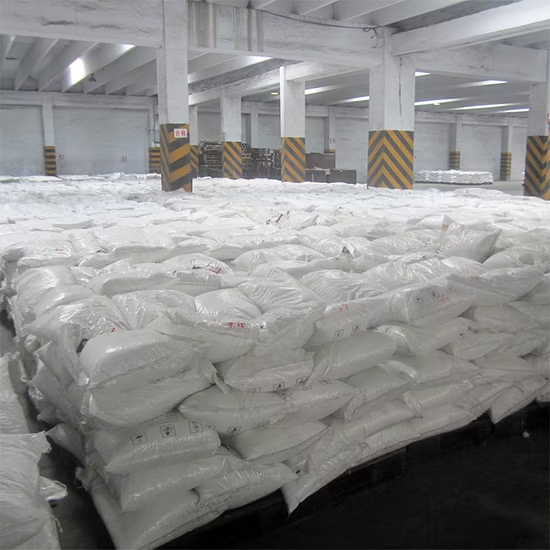
Standard packaging for solid caustic soda usually involves 25 kg bags, which are then stacked onto wooden pallets and shrink-wrapped to ensure stability. Jumbo bags, holding typically 500 kg or 1000 kg, offer a more efficient solution for larger volume requirements and reduce manual handling. Liquid caustic soda is transported in drums, intermediate bulk containers (IBCs), or bulk road tankers and ISO tanks, all designed for hazardous material transport.
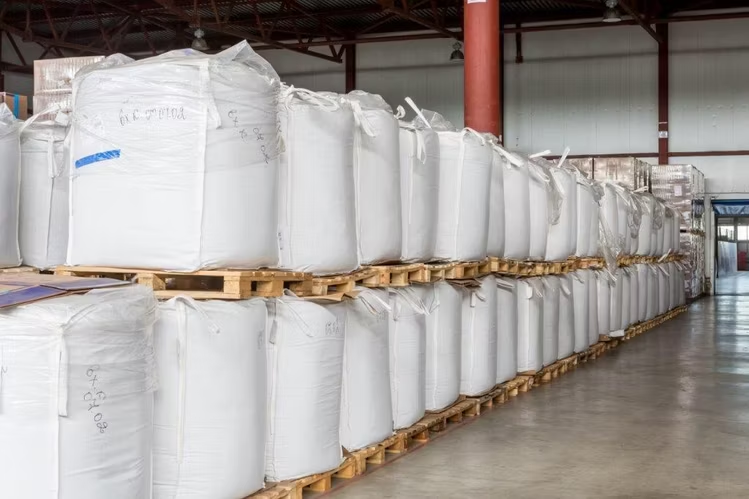
The type of packaging chosen depends on the quantity ordered, the mode of transport, and the destination’s unloading capabilities. For example, palletized 25 kg bags are easier to handle with standard forklifts, whereas jumbo bags require specialized equipment for lifting and tipping. Ensuring that all packaging meets international shipping regulations for hazardous goods is a fundamental requirement for safe transit.
Minimum Order Quantities (MOQ) and Lead Times
When you are looking to buy caustic soda, understanding the supplier’s Minimum Order Quantities (MOQs) and typical lead times is crucial for effective procurement planning. Chemical manufacturers often have substantial MOQs, especially for bulk liquid shipments or large tonnages of solid products, as their production runs are optimized for large volumes.
Distributors and traders, on the other hand, may offer more flexibility with smaller MOQs, catering to customers with lower or more periodic demand. This flexibility, however, might come at a slightly higher per-unit cost. It is common for large chemical producers to have MOQs in the range of multiple metric tons for solid caustic soda, and much larger volumes for liquid. Distributors might cater to orders starting from a single pallet (e.g., 1 metric ton of flakes) or a few IBCs.
Lead times can vary significantly based on the supplier, product form, order volume, and current market conditions. For solid caustic soda from a manufacturer, lead times can range from 2 to 6 weeks from order confirmation to dispatch, especially if the product needs to be manufactured. Distributors holding stock might be able to deliver within a few days to a couple of weeks for standard products. Liquid caustic soda, often transported via scheduled tanker routes, might have different lead time considerations. Always confirm lead times directly with your chosen supplier.
Documentation and Compliance When You Buy Caustic Soda
Procuring caustic soda requires adherence to specific documentation and regulatory compliance standards, especially when dealing with international shipments. When you buy caustic soda, you should expect and request key documentation from your supplier to ensure product quality, safety, and regulatory adherence.
The primary documents you will need include:
- Certificate of Analysis (COA): This document confirms that the specific batch of caustic soda you receive meets the agreed-upon specifications, detailing purity, impurity levels, and physical properties.
- Material Safety Data Sheet (MSDS) / Safety Data Sheet (SDS): This essential document provides comprehensive information on the chemical’s properties, hazards, safe handling, storage, emergency procedures, and disposal.
- Invoice: A standard commercial document detailing the product, quantity, price, and terms of sale.
- Packing List: Details the contents of each package and pallet, essential for customs clearance and inventory management.
- Bill of Lading (B/L) or Air Waybill (AWB): The contract of carriage for sea or air freight, respectively, serving as a receipt for the shipment and a document of title.
Beyond these, ensure your supplier is compliant with relevant chemical control regulations (e.g., REACH in Europe, TSCA in the US) and environmental standards. Different countries may have specific import/export requirements for hazardous chemicals.

Mini-Checklist: Documentation and Compliance
- [ ] Verify COA Accuracy: Ensure COA matches order specifications.
- [ ] Review SDS: Confirm understanding of handling and safety protocols.
- [ ] Check MSDS/SDS Date: Ensure it is current and compliant with the latest regulations.
- [ ] Confirm Regulatory Compliance: Verify supplier’s adherence to local and international chemical regulations.
- [ ] Review Shipping Documents: Ensure accuracy of B/L, invoice, and packing list.
- [ ] Obtain Import Permits (if applicable): Ensure all necessary import licenses are secured prior to shipment.
Logistics and Incoterms for Caustic Soda Shipments
The logistical considerations and the agreed Incoterms are critical when you buy caustic soda, particularly for overseas transactions. Incoterms (International Commercial Terms) define the responsibilities, costs, and risks associated with the delivery of goods from seller to buyer.
Commonly used Incoterms for chemical shipments include:
- FOB (Free On Board): The seller’s responsibility ends when the goods are loaded onto the vessel at the port of shipment. The buyer assumes all costs and risks thereafter.
- CIF (Cost, Insurance, and Freight): The seller pays for the cost of the goods, insurance, and freight to the destination port. Risk transfers to the buyer once the goods are on board the vessel.
- EXW (Ex Works): The seller makes the goods available at their premises (factory or warehouse). The buyer bears all costs and risks for transporting the goods to their final destination.
- DAP (Delivered At Place): The seller delivers the goods to an agreed-upon destination, cleared for export but not import. The buyer is responsible for import clearance and duties.
Choosing the right Incoterm influences who arranges and pays for transportation, insurance, and customs clearance. For caustic soda, which is classified as a hazardous material, specialized logistics providers with experience in handling dangerous goods are essential. This includes ensuring appropriate transport vehicles, containers, and trained personnel.
Indicative Shipping Costs: Shipping costs for caustic soda will vary based on the chosen Incoterm, distance, mode of transport (sea freight, road, rail), and current market rates for freight and fuel surcharges. These are subject to frequent changes and should be obtained as part of a specific quote.
International shipments of caustic soda require meticulous planning to ensure compliance with hazardous materials regulations, such as the IMDG Code for sea transport. Coordination between the supplier’s logistics department and the buyer’s freight forwarder is paramount for a seamless delivery.

Managing Risks and Claims in Caustic Soda Procurement
Effectively managing risks and understanding the claims process is essential for anyone who needs to buy caustic soda. Caustic soda is a hazardous substance, and supply chain disruptions or quality issues can carry significant consequences.
Potential risks include:
- Product Quality Issues: Receiving caustic soda that does not meet specified purity or physical form requirements.
- Shipping Delays: Disruptions in transit due to weather, port congestion, or carrier issues, impacting production schedules.
- Damage During Transit: Packaging failure leading to leaks or contamination, especially with liquid forms in bulk.
- Supplier Solvency: The risk of a supplier ceasing operations or facing financial difficulties.
- Regulatory Changes: New regulations impacting import, export, or handling of hazardous chemicals.
To mitigate these risks:
- Supplier Vetting: Conduct thorough due diligence on potential suppliers, assessing their reliability, quality control procedures, and financial stability. Consider requesting references or site audit reports. Explore how to buy caustic soda from established and reputable partners.
- Clear Contracts: Establish detailed purchase agreements that clearly define product specifications, quality standards, delivery timelines, payment terms, and responsibilities for damages or non-compliance.
- Quality Control: Implement incoming quality checks upon receipt of the material to verify it meets specifications.
- Insurance: Ensure adequate cargo insurance is in place, especially when the risk has transferred to your account as per the Incoterms.
Claims Process: Should an issue arise (e.g., damaged goods, incorrect quantity, quality non-conformity), prompt action is required.
- Document the Issue: Take clear photographs and videos of any damage, incorrect labeling, or product discrepancies immediately upon discovery. Document shortage or overage.
- Notify the Supplier: Inform the supplier in writing within the timeframe stipulated in your contract or within a reasonable period (e.g., within 7 days of receipt for visible damage).
- Submit Evidence: Provide all collected documentation and evidence to support your claim.
- Follow Contractual Clause: Adhere to the dispute resolution and claims procedure outlined in your purchase agreement.
This proactive approach to risk management and a clear claims procedure will help protect your operations when you buy caustic soda.
Conclusion: Securing Your Caustic Soda Supply
Discovering where can I buy caustic soda efficiently and reliably involves a multifaceted approach, from understanding product specifications and packaging to navigating complex logistics and compliance requirements. Whether you are sourcing for large-scale manufacturing or smaller industrial needs, diligent supplier selection, clear contract negotiation, and proactive risk management are paramount.
By carefully considering the forms, grades, packaging, MOQs, lead times, necessary documentation, and logistical frameworks, you can establish a robust supply chain for caustic soda. Remember to always prioritize safety and compliance in handling and transportation.
For your next procurement, ensure you partner with suppliers who can consistently deliver quality products alongside transparent communication and dependable service. This will not only streamline your operations but also contribute to the overall success and predictability of your business.
If you’re looking to source high-quality caustic soda reliably, explore your options with leading chemical distributors and manufacturers who meet rigorous industry standards.