
The landscape of industrial chemicals is undergoing a significant transformation, and understanding The Rise of Green Methanol: Navigating Supply Chain Shifts for 2026 is paramount for businesses seeking to maintain a competitive edge and embrace sustainability. This shift impacts every facet of how this vital chemical is sourced, transported, and utilized, necessitating a proactive approach to Supply Chain management.Green Methanol & Supply Chain Shifts are becoming a defining force in the global energy transition, reshaping fuel sourcing, logistics, and low-carbon supply networks
Table of Contents
Executive Summary
- Emergence of Green Methanol: Green methanol, produced from renewable or low-carbon sources, is rapidly gaining traction. This executive summary highlights the key drivers and implications of its increasing prominence in the global Supply Chain.
- Supply Chain Restructuring: Expect significant shifts in sourcing locations, production capacities, and transportation routes as demand for low-carbon alternatives grows. Adapting to these changes is crucial for uninterrupted supply.
- Impact on Procurement: Businesses must prepare for evolving contractual terms, stricter quality controls, and potentially new supplier relationships. Understanding lead times and MOQs for green methanol is essential for effective planning.
- Regulatory and Compliance Focus: The green methanol market is heavily influenced by environmental regulations and certification schemes. Ensuring full compliance throughout the Supply Chain is non-negotiable.
- Navigating the Future: Proactive strategy, robust risk assessment, and strong supplier partnerships will be key to successfully navigating the complexities of The Rise of Green Methanol: Navigating Supply Chain Shifts for 2026.
Understanding Green Methanol: Specs and Grades
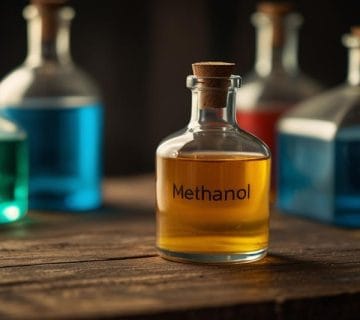
Green methanol, in essence, is methanol that has been produced using methods that significantly reduce or eliminate greenhouse gas emissions compared to traditional, fossil-fuel-based production. This can be achieved through various pathways, including biomass gasification, captured CO2 and renewable hydrogen synthesis (e-methanol), or potentially other advanced low-carbon processes. As the industry transitions, understanding the precise specifications and grades of green methanol becomes increasingly important. While the fundamental chemical properties of methanol (CH3OH) remain consistent, the production method can influence trace impurities and the overall carbon footprint.
Buyers will need to be diligent in verifying the sustainability credentials of their green methanol. This involves understanding the feedstock used, the energy sources powering the production process, and the life cycle assessment (LCA) of the final product. Certifications from recognized bodies, such as those for renewable energy or carbon neutrality, will become standard requirements. The purity levels of green methanol are expected to mirror those of conventional methanol, typically ranging from technical grade (around 99.85%) to fuel grade, but producers are increasingly offering differentiated products aligned with specific end-use requirements, such as for pharmaceuticals or electronics. Green Methanol & Supply Chain Shifts are accelerating investment in sustainable fuel infrastructure
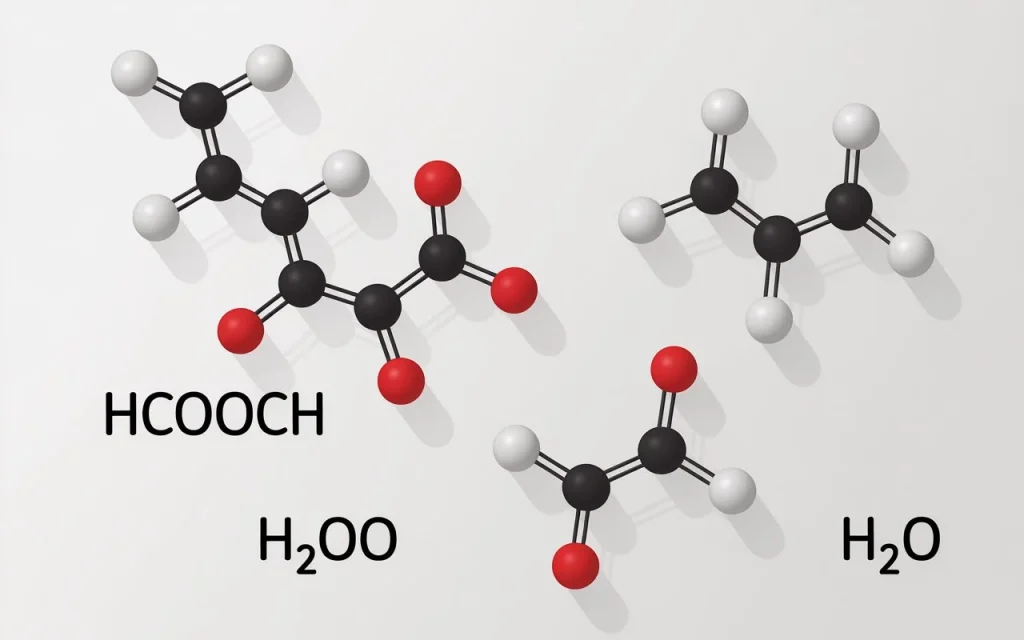
Green Methanol Specification Comparison
| Characteristic | Conventional Methanol (Typical) | Green Methanol (Indicative) |
|---|---|---|
| Production Method | Steam reforming of natural gas | Renewable feedstock/e-methanol |
| Carbon Footprint | High | Significantly Reduced |
- Purity | ≥ 99.85% | ≥ 99.85% |
- Water Content | ≤ 0.15% | ≤ 0.15% |
- Acidity (as Acetic Acid) | ≤ 0.002% | ≤ 0.002% |
- Distillation Range | Within defined parameters | Within defined parameters |
- Sustainability Certification | Not applicable | Required (e.g., ISCC, RSB) |
Note: Specifications for green methanol can vary based on production pathway. Always consult producer datasheets.
Green Methanol & Supply Chain Shifts in 2026
Green Methanol & Supply Chain Shifts are accelerating the global energy transition as industries seek low-carbon fuel alternatives. In 2026, Green Methanol & Supply Chain Shifts will reshape production hubs, logistics routes, and bunker infrastructure, influencing shipping, trade flows, and sustainability strategies. Understanding Green Methanol & Supply Chain Shifts helps companies adapt to regulatory pressure, optimize supply chains, and stay competitive in the evolving clean.
Packaging and Palletization for Green Methanol
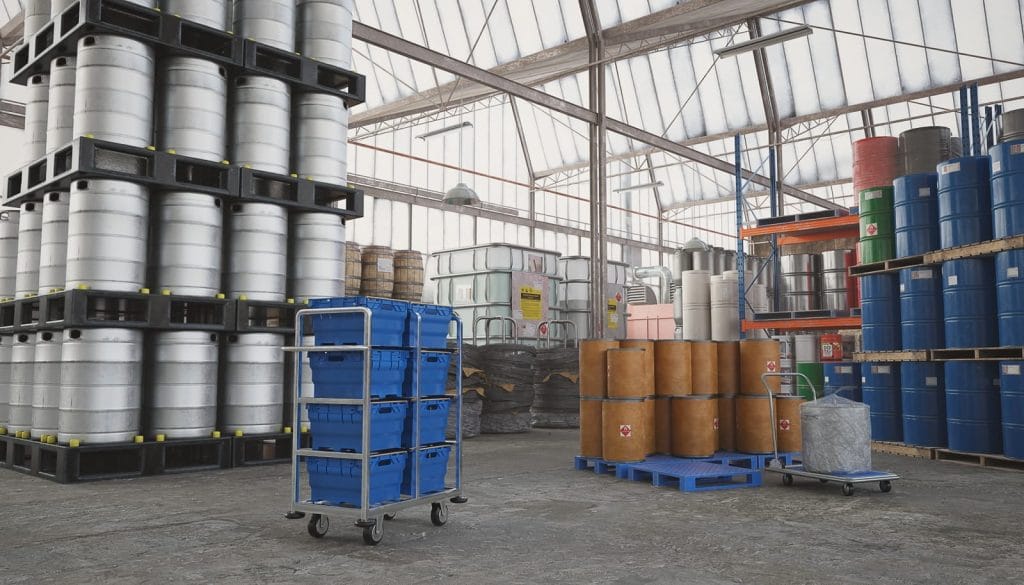
The packaging and palletization of green methanol are crucial elements of the Supply Chain, influencing safety, handling efficiency, and environmental impact. While the chemical itself is the focus, the integrity of its delivery system is paramount. The preferred packaging formats for methanol, both conventional and green, typically include:
- Drums: Often 200-liter (55-gallon) steel drums, sometimes with internal lining, are used for smaller quantities. These are generally palletized for ease of transport.
- Intermediate Bulk Containers (IBCs): These reusable containers, typically 1,000 liters (250 gallons), offer a more efficient option for medium volumes. They are designed for forklift handling.
- Flexitanks: For larger, non-ISO tank container shipments, flexitanks are a common solution, offering cost-effectiveness for bulk transport within standard containers.
- ISO Tank Containers: The standard for large-volume bulk liquid transport by sea, rail, and road, ISO tank containers offer maximum efficiency and safety for global Supply Chain movements.
Palletization for drums involves securing multiple drums onto a standard pallet (e.g., wooden or plastic) to facilitate handling by forklifts and standard warehouse equipment. The choice of packaging and palletization strategy will depend on the order volume, the mode of transport, and the receiving infrastructure at the destination. As sustainability gains prominence, there’s an increasing focus on reusable packaging options and minimizing single-use materials within the Supply Chain for chemicals like green methanol. This includes exploring options for drum return programs or the use of more durable, lighter-weight IBCs. Green Methanol & Supply Chain Shifts influence port development, storage solutions, and bunker supply strategies
Minimum Order Quantities (MOQ) and Lead Times
Understanding the Minimum Order Quantity (MOQ) and lead times associated with green methanol is critical for effective Supply Chain planning and procurement. As the production of green methanol is still scaling up compared to established conventional methanol plants, these parameters can differ.
MOQs for green methanol might initially be higher than for conventional alternatives due to the specialized nature of production and the economies of scale being developed. Buyers could see MOQs ranging from full ISO tank containers (typically 20-24 metric tons) for bulk purchases, down to smaller quantities in drums or IBCs depending on the supplier’s distribution capabilities. For businesses that previously procured methanol in smaller, less-than-truckload (LTL) quantities, adapting to potentially larger MOQs for green methanol will be a key Supply Chain adjustment.
Lead times for green methanol can also be longer. This is influenced by several factors:
- Production Capacity: Newer green methanol plants may have less flexible production schedules or longer batch cycle times.
- Logistical Bottlenecks: Specialized logistics arrangements might be required, especially if sourcing from emerging production hubs.
- Certification and Quality Assurance: The rigorous verification processes for sustainability claims can add time to order fulfillment.
- Global Shipping: International transit times remain a significant component of lead times for delivered product.
Indicative lead times for green methanol could range from 4-8 weeks for established suppliers with significant capacity, to 10-16 weeks or more for newer entrants or during periods of high demand. It is imperative for businesses to engage with suppliers early to establish realistic lead times and to plan inventory levels accordingly to mitigate any potential Supply Chain disruptions.
Documentation and Compliance in the Green Methanol Supply Chain
Navigating the documentation and compliance requirements for green methanol is perhaps the most critical aspect of The Rise of Green Methanol: Navigating Supply Chain Shifts for 2026. This area demands meticulous attention to detail to ensure that the product meets both technical specifications and the increasingly stringent sustainability regulations. In 2026, Green Methanol & Supply Chain Shifts will redefine competitive advantages in clean shipping
Key documents that buyers will invariably require include:
- Certificate of Analysis (CoA): This document confirms that a specific batch of green methanol meets the agreed-upon chemical specifications (purity, water content, acidity, etc.). For green methanol, the CoA may also reference sustainability metrics or certifications.
- Material Safety Data Sheet (MSDS) / Safety Data Sheet (SDS): This essential document provides comprehensive information on the chemical’s hazards, safe handling procedures, emergency measures, and disposal guidelines. The SDS for green methanol will be chemically identical to conventional methanol but may note its production origin.
- Sustainability Certifications: This is a cornerstone for green methanol. Buyers will need proof of the product’s environmental credentials. Common certifications might include:
- International Sustainability and Carbon Certification (ISCC): A widely recognized standard for biomass, bioenergy, and biofuels, often covering renewable chemicals.
- Roundtable on Sustainable Biomaterials (RSB): Another robust standard for sustainable materials, particularly focused on bio-based feedstocks.
- Specific E-Methanol Standards: As e-methanol production scales, new or adapted standards focusing on the origin of renewable electricity and captured CO2 will emerge.
- Proof of Origin: Documentation from the producer detailing the feedstock sourcing, energy inputs, and manufacturing process will be crucial for verifying sustainability claims.

Mini-Checklist: Green Methanol Compliance Documentation
| Document Type | Required per Shipment? | Verified by Buyer? | Notes |
|---|---|---|---|
| Certificate of Analysis (CoA) | Yes | Yes | Verify against agreed specifications. |
| Safety Data Sheet (SDS) | Yes | Yes | Ensure latest version with correct hazard communication. |
| Sustainability Certificate | Yes | Yes | Crucial for verifying green claims; ensure validity and scope. |
| Bill of Lading (BOL) | Yes | Yes | Essential for tracking shipment. |
| Commercial Invoice | Yes | Yes | Accurately details product and quantity. |
| Packing List | Yes | Yes | Confirms contents of each shipping unit. |
Beyond these fundamental documents, buyers should also be aware of regional regulations regarding chemical imports, transportation of hazardous materials, and specific product labeling requirements. Compliance is not just about having the paperwork; it’s about ensuring the entire Supply Chain operates within legal and ethical frameworks, particularly concerning environmental claims accuracy.
Logistics and Incoterms in the Green Methanol Trade
The logistics and Incoterms governing the movement of green methanol are as vital to its Supply Chain as the chemical itself. As global trade patterns evolve, particularly with the rise of localized renewable energy sources and potential new production hubs for green methanol, understanding these operational aspects is key.
Logistics Considerations:
- Mode of Transport: Like conventional methanol, green methanol will primarily be transported as a bulk liquid. This involves specialized vessels (chemical tankers), ISO tank containers for multimodal transport, road tankers, and potentially rail cars. The choice depends on volume, distance, and infrastructure at origin and destination.
- Storage and Handling: Methanol is flammable and toxic. Safe storage at port terminals and manufacturing sites is critical. Facilities must be equipped with appropriate ventilation, spill containment, and fire suppression systems.
- Supply Chain Resilience: Diversifying sourcing locations and transportation routes can build resilience. As green methanol production scales, buyers might find themselves sourcing from different geographic regions than they are accustomed to for conventional methanol, requiring new logistical partners and knowledge.
- Environmental Considerations: The transportation of chemicals itself has an environmental footprint. Companies are increasingly looking for logistics providers who can offer lower-emission transport solutions, such as using biofuels for their truck fleets or optimizing shipping routes to reduce fuel consumption. This aligns with the very purpose of sourcing green methanol and is a critical part of the overall Supply Chain sustainability.
Incoterms (International Commercial Terms):
Incoterms define the responsibilities, costs, and risks shared between the buyer and the seller in international trade. For green methanol, common Incoterms will likely mirror those used for conventional chemicals:
- EXW (Ex Works): The seller makes the product available at their premises. The buyer takes on almost all risk and cost from that point forward, including loading onto the first carrier. This offers maximum control to the buyer but requires significant logistical expertise.
- FOB (Free On Board): The seller delivers the goods on board the vessel nominated by the buyer at the named port of shipment. Once aboard, risk and cost transfer to the buyer. This is common for bulk sea shipments.
- CIF (Cost, Insurance and Freight): The seller arranges and pays for the cost, insurance, and freight to bring the goods to the named port of destination. Risk transfers to the buyer when the goods are loaded onto the vessel.
- DDP (Delivered Duty Paid): The seller delivers the goods to the buyer’s premises, cleared for import, and pays all duties and taxes. This is the most seller-biased term and offers the buyer the least responsibility, but can come with a premium price.
The choice of Incoterm significantly impacts who manages the Supply Chain logistics and bears the associated costs and risks for green methanol. Given the complexities and potential novelty of sourcing green methanol, buyers may opt for terms that offer them greater visibility and control, or conversely, terms where the seller assumes more logistical responsibility. It is crucial to understand the implications of each Incoterm when negotiating contracts for green methanol.
Risk Management and Claims in Green Methanol Procurement
Managing risks and handling claims effectively is an integral part of any chemical Supply Chain, and the burgeoning market for green methanol is no exception. As this sector matures, establishing robust protocols for identifying, mitigating, and resolving potential issues will be crucial for business continuity and maintaining trust between buyers and suppliers.
Key Risks in the Green Methanol Supply Chain:
- Supply Volatility: As green methanol production scales, it remains susceptible to fluctuations in feedstock availability (e.g., biomass supply, renewable electricity cost, CO2 capture rates), production disruptions, or unforeseen plant outages. This can lead to shortages or price spikes.
- Quality Variations: While specifications are standardized, variations in trace impurities or the consistency of sustainability metrics between different producers or batches can pose quality risks. Buyers must have stringent quality control measures in place.
- Logistical Challenges: Delays in shipping, port congestion, or damage during transit can disrupt delivery schedules. For hazardous materials like methanol, any incident during transport carries significant safety and environmental implications.
- Regulatory Changes: Evolving environmental regulations, carbon pricing mechanisms, or certification requirements could impact the cost and availability of green methanol. Buyers need to stay abreast of these changes.
- Supplier Viability: The green methanol market is dynamic. New entrants and established players are investing heavily, but financial stability and long-term commitment of all suppliers in the Supply Chain need to be continually assessed.
- Misrepresentation of Sustainability Claims: A significant risk is the potential for “greenwashing,” where the sustainability credentials of the methanol are overstated or unsubstantiated. This can lead to reputational damage and non-compliance with corporate ESG (Environmental, Social, and Governance) goals.
Claims Management:
When issues arise, a clear and efficient claims process is vital. This typically involves:
- Notification: Promptly notifying the supplier of any issue (e.g., off-spec product, damaged goods, delivery discrepancies).
- Evidence Gathering: Collecting all relevant documentation, including CoAs, SDSs, Bills of Lading, inspection reports, and photographic evidence.
- Dispute Resolution: Engaging in discussions with the supplier based on agreed-upon contract terms and Incoterms. Most contracts will outline specific procedures for claims.
- Recourse: Depending on the nature of the claim, recourse may include product replacement, price adjustment, or reimbursement for damages.
To mitigate these risks, implementing a comprehensive Supply Chain risk management strategy is advisable. This includes conducting thorough supplier due diligence, diversifying sourcing where feasible, establishing clear quality and sustainability acceptance criteria in contracts, insuring shipments appropriately, and maintaining open communication channels with all partners in the green methanol Supply Chain.
Conclusion: Securing Your Green Methanol Supply Chain for 2026
The transition towards a lower-carbon economy is undeniably accelerating, with green methanol emerging as a pivotal sustainable chemical feedstock and fuel. For businesses reliant on this versatile compound, understanding and proactively navigating The Rise of Green Methanol: Navigating Supply Chain Shifts for 2026 is not merely an option, but a strategic imperative.
The shifts in production methods, the evolving geographical sourcing landscapes, and the heightened importance of robust documentation and compliance all present challenges, but also significant opportunities. Those who adapt swiftly, foster strong relationships with certified green methanol producers, and meticulously plan their logistics and risk mitigation strategies will be best positioned to thrive. Embracing green methanol is a tangible step towards achieving sustainability goals while ensuring operational resilience and competitive advantage. Understanding Green Methanol & Supply Chain Shifts is essential for companies adapting to low-carbon fuel regulations in 2026
To secure your business’s future in this dynamic market, it is crucial to engage with this transformation head-on. Start evaluating your current methanol procurement strategy and actively explore partnerships that align with your sustainability objectives. Begin your journey towards a sustainable future by mastering The Rise of Green Methanol: Navigating Supply Chain Shifts for 2026 today.