Executive Summary
HDPE vs LLDPE are two popular polymers used in film and sheet production. Understanding the differences between HDPE vs LLDPE helps manufacturers choose the right material
- A detailed comparison of HDPE blow molding and LLDPE film grades is crucial for optimizing material selection and performance in packaging and industrial applications.
- Understanding polyethylene demand, MOQs, lead times, packaging, logistics, and spec tables is essential for efficient procurement and supply chain management.
- This article provides a practical guide for buyers navigating the complexities of sourcing polyethylene, ensuring informed decisions and operational success.
Understanding the Nuances: HDPE vs. LLDPE for Film & Blow Applications
Selecting the right polyethylene resin is a foundational step for success in film and blow molding applications. The subtle yet significant differences between High-Density Polyethylene (HDPE) and Linear Low-Density Polyethylene (LLDPE) can drastically impact product performance, manufacturing efficiency, and overall cost-effectiveness. Navigating the landscape of [HDPE vs LLDPE for Film & Blow] requires a deep dive into their unique properties, manufacturing processes, and market dynamics. This comprehensive guide aims to equip buyers with the knowledge needed to make informed decisions when specifying HDPE blow molding grades and LLDPE film grades, considering crucial factors like polyethylene demand, MOQs, lead times, packaging, logistics, and the indispensable spec table. When comparing HDPE vs LLDPE, factors like flexibility, durability, and processability must be considered.
The world of polyethylenes is vast, with numerous grades designed for specific end-uses. While both HDPE and LLDPE belong to the same polymer family, their molecular structures confer distinct characteristics. Understanding these distinctions is not just an academic exercise; it directly translates into tangible benefits or drawbacks in your final product. Whether you’re producing robust industrial containers via HDPE blow molding or flexible, tear-resistant films using LLDPE film grade, mastering these material nuances is paramount. We will explore the critical elements that influence procurement, from understanding the intricacies of each polymer type to managing the practicalities of global supply chains, all while keeping the definitive spec table at the forefront.
Key Differences in Properties and Performance
At the molecular level, HDPE possesses a linear structure with minimal branching, leading to tightly packed chains and a semi-crystalline nature. This structure results in a rigid material with excellent tensile strength, impact resistance, and chemical inertness. These properties make HDPE particularly well-suited for applications requiring durability and structural integrity, such as bottles, drums, and automotive parts manufactured through HDPE blow molding. Its opacity and stiffness are also key characteristics that differentiate it from its more flexible counterpart. Engineers often evaluate HDPE vs LLDPE to determine which polymer offers better flexibility and strength for packaging
LLDPE, on the other hand, features short, linear branches off its main polymer backbone. This branching disrupts the close packing of chains, resulting in a more flexible, ductile, and puncture-resistant material compared to HDPE. LLDPE typically exhibits superior tear strength and elongation at break, making it the preferred choice for flexible packaging films, stretch wraps, and heavy-duty bags. The variations in LLDPE film grade are extensive, offering a spectrum of flexibility and toughness tailored to specific film extrusion processes and application demands.
The interplay between these properties dictates their suitability for different manufacturing processes. HDPE blow molding relies on the resin’s melt strength and ability to form stable parisons (hollow tubes of molten plastic) that can be inflated into complex shapes without sagging or breaking. Conversely, LLDPE film grades are optimized for high-speed extrusion, offering good processability and excellent film-forming characteristics with high clarity and toughness. The careful consideration of these intrinsic material properties, as detailed in each spec table, underpins the successful selection for both [HDPE vs LLDPE for Film & Blow] applications.
Focus on HDPE Blow Molding Grades
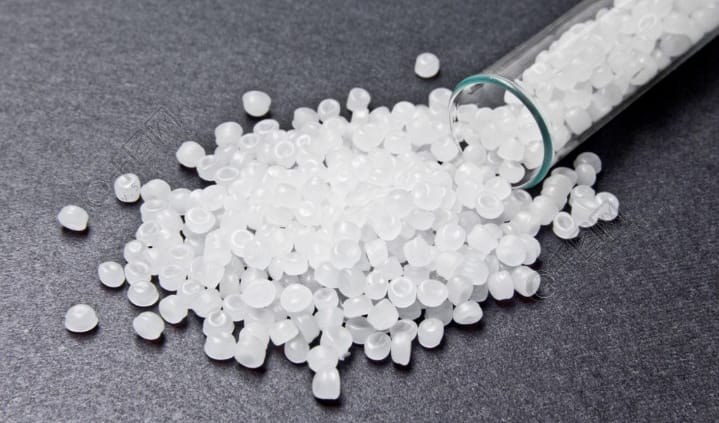
When it comes to robust containers and parts demanding structural integrity, HDPE blow molding grades are the industry standard. These grades are engineered to offer a balance of melt strength, stiffness, and impact resistance. Manufacturers often look for specific melt flow rates (MFR) and molecular weight distribution (MWD) within the spec table to ensure consistent parison formation and efficient cycle times during the blow molding process. The chemical resistance of HDPE also makes it ideal for packaging aggressive chemicals, food products, and personal care items where product purity and safety are paramount. Cost and performance are key factors when comparing HDPE vs LLDPE for industrial uses.
The selection of an appropriate HDPE blow molding grade is not a one-size-fits-all approach. Different applications will require varying levels of stiffness, stress crack resistance (ESCR), and impact strength. For instance, a detergent bottle needs exceptional ESCR to withstand prolonged contact with the product, while a large industrial drum might prioritize stiffness and impact resistance for transport durability. Buyers must meticulously review the spec table for parameters like density, MFR, and ESCR values to match the resin to the precise performance requirements of their HDPE blow molding project. Understanding polyethylene demand for these specific grades is also crucial in anticipating availability and pricing.
Focus on LLDPE Film Grades
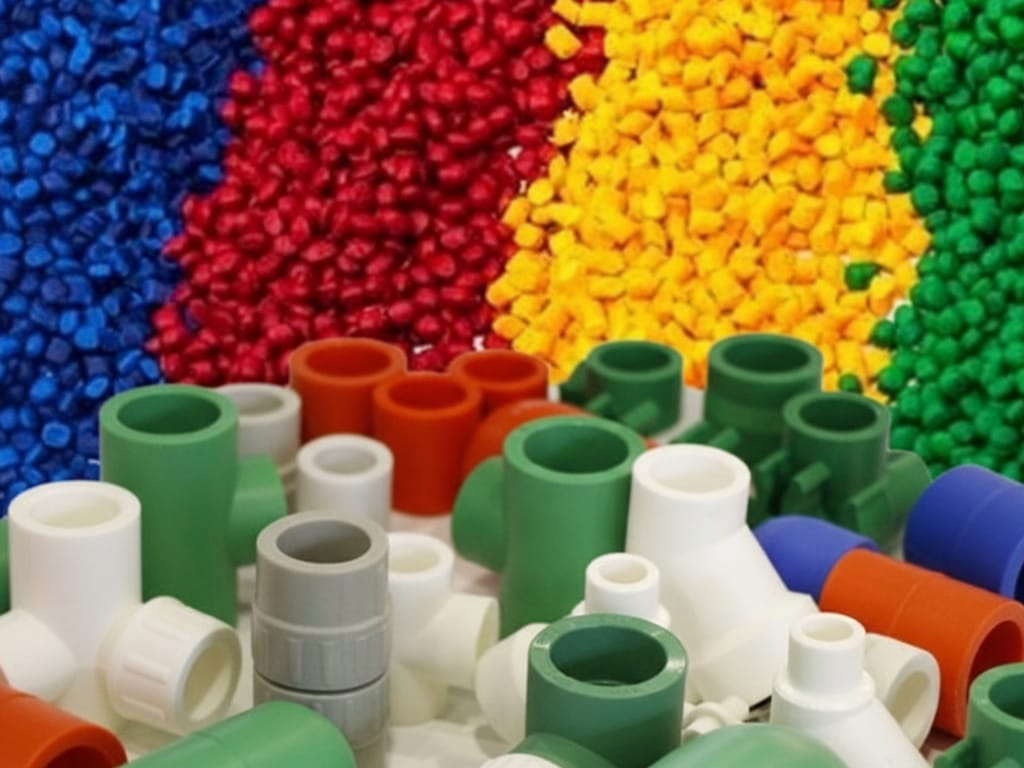
The realm of flexible packaging largely depends on the advanced properties of LLDPE film grades. These resins are designed for extrusion processes that produce films ranging from thin food packaging to thick agricultural films. Key performance indicators for LLDPE film grade selection include puncture resistance, tear strength, tensile strength, and clarity. Copolymers like butene (C4), hexene (C6), and octene (C8) LLDPE offer varying degrees of these properties, with higher alpha-olefin content generally leading to enhanced toughness and flexibility. Quality control teams examine HDPE vs LLDPE characteristics to ensure consistent results in film extrusion. Choosing between HDPE vs LLDPE depends on the specific requirements of your film or sheet production.
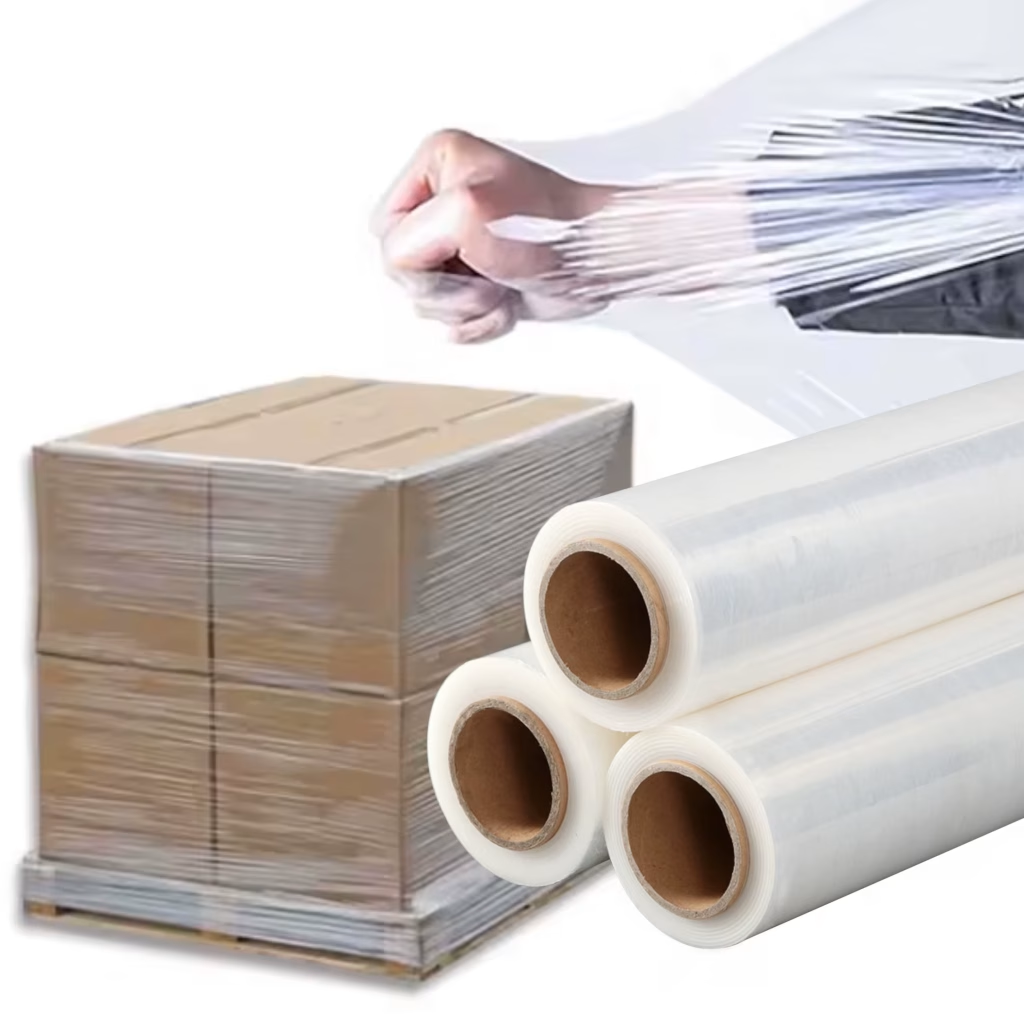
When specifying LLDPE film grade, buyers will often consult the spec table for properties such as density, MFR, and elongation at break. For applications like stretch wrap, superior cling and puncture resistance are vital, while for heavy-duty sacks, exceptional tear and impact strength are prioritized. The evolving polyethylene demand landscape also influences the availability and pricing of specific LLDPE film grades, making it essential for buyers to stay informed about market trends and plan their procurement strategies proactively.
The environmental impact of HDPE vs LLDPE varies, making material selection crucial for sustainable applications
The Critical Role of Spec Tables
The spec table is the cornerstone of any polyethylene procurement process, serving as the definitive document detailing a resin’s physical and chemical properties. For both HDPE vs LLDPE for Film & Blow, this table provides the critical data points required for material selection, process optimization, and quality control. It typically includes parameters such as density, melt flow rate (MFR), tensile strength at yield, elongation at break, flexural modulus, impact strength (Izod or Charpy), and environmental stress crack resistance (ESCR).
For HDPE blow molding, the spec table will highlight melt strength and rheological properties that influence parison stability. For LLDPE film grades, it will emphasize tear propagation resistance and puncture strength. Buyers must meticulously compare the specifications against their application requirements. Discrepancies in the spec table can lead to production issues, reduced product performance, and ultimately, costly rework or product failures. Furthermore, ensuring consistency in the spec table data from batch to batch is a key factor in maintaining predictable manufacturing outcomes.
Polyethylene Demand: Market Dynamics and Influences
The global polyethylene demand is a dynamic force, influenced by a confluence of economic factors, geopolitical events, and downstream application growth. Understanding these trends is crucial for buyers when planning their procurement of HDPE blow molding and LLDPE film grades. Surges in demand from key sectors like packaging, automotive, and construction can lead to tighter supply, upward price pressure, and extended lead times. Conversely, economic downturns or shifts in consumer preferences can temper polyethylene demand, potentially leading to more favorable pricing and improved availability.
The interplay between supply and demand is particularly significant for commodity polymers like polyethylene. New plant capacities, feedstock availability, and unexpected operational disruptions at major production facilities can all sway the market. Buyers who closely monitor polyethylene demand indicators, such as future contract prices and inventory levels, and consult industry reports are better positioned to anticipate market shifts and secure optimal pricing and supply terms. This foresight is invaluable when negotiating MOQs and production schedules.
Minimum Order Quantities (MOQs) and Their Impact
Minimum Order Quantities (MOQs) represent a fundamental aspect of procuring polyethylene resins, directly influencing purchasing power and operational flexibility. For both HDPE blow molding and LLDPE film grades, suppliers typically set MOQs based on production batch sizes, packaging options (e.g., palletized bags vs. bulk), and logistical efficiencies. Understanding a supplier’s MOQs is essential for buyers, especially those with smaller production runs or fluctuating demand.
Higher MOQs can be a barrier for smaller businesses or those testing new products. However, committing to larger MOQs often unlocks more favorable pricing per kilogram and potentially shorter lead times due to prioritized production scheduling. Buyers must carefully balance their inventory management strategies, production needs, and financial capacity against the MOQs presented by various suppliers. Sometimes, collaborating with other buyers or working with distributors can help to aggregate demand and meet MOQs for specific HDPE vs LLDPE for Film & Blow grades.
Lead Times: Navigating Production and Delivery Schedules
Navigating lead times is a critical component of supply chain management for any polyethylene purchase. The time elapsed from order placement to goods delivery can vary significantly based on the specific grade of HDPE blow molding or LLDPE film grade, production schedules, inventory levels, and geographical location. Understanding and managing these lead times is essential to avoid production bottlenecks and maintain a consistent supply of materials.
Choosing the right polymer is critical in film and sheet manufacturing. Manufacturers often need to compare HDPE vs LLDPE to understand which material offers the best balance of flexibility, strength, and durability. While HDPE vs LLDPE both have advantages in packaging and industrial applications, each performs differently under stress, temperature, and processing conditions. Engineers and product designers analyze HDPE vs LLDPE properties carefully to optimize extrusion, blowing, and molding processes. Additionally, cost-effectiveness and environmental impact are important considerations when selecting between HDPE vs LLDPE. By understanding these differences, manufacturers can make informed decisions, ensuring quality, consistency, and efficiency in their production lines
Factors influencing lead times include:
- Production Capacity: How busy the manufacturer’s extrusion lines are for specific resins.
- Raw Material Availability: Ensuring upstream feedstock availability for the desired grade.
- Customization: Any specific modifications to a standard grade can extend production timelines.
- Packaging and Logistics: The time required for packaging, warehousing, and transportation to the customer’s facility.
Buyers should proactively engage with suppliers to obtain realistic lead time estimates and develop robust contingency plans. Communicating expected polyethylene demand well in advance can help suppliers better manage their production schedules and potentially reduce lead times for crucial HDPE vs LLDPE for Film & Blow requirements.
Packaging and Palletization: Ensuring Product Integrity
The integrity of polyethylene resins during transit and storage is paramount, making proper packaging and palletization crucial considerations. For both HDPE blow molding and LLDPE film grades, resins are typically supplied in either 25 kg bags or larger jumbo bags (also known as bulk bags or FIBCs – Flexible Intermediate Bulk Containers). The choice of packaging often depends on the buyer’s handling capabilities, storage space, and the scale of their operations.
Palletization plays a vital role in efficient handling and protection. Bags are usually stacked on wooden or plastic pallets, shrink-wrapped, and sometimes further secured with banding to prevent shifting during transit. The spec table might not directly address packaging, but supplier specifications and buyer requirements should clearly define the type of packaging, pallet dimensions, and stacking configurations. Proper packaging minimizes damage from moisture, contamination, and physical stress, ensuring that the resin arrives at the customer’s facility in optimal condition for processing, regardless of whether it’s for HDPE blow molding or LLDPE film grade production.
Logistics and Incoterms: Understanding Global Trade
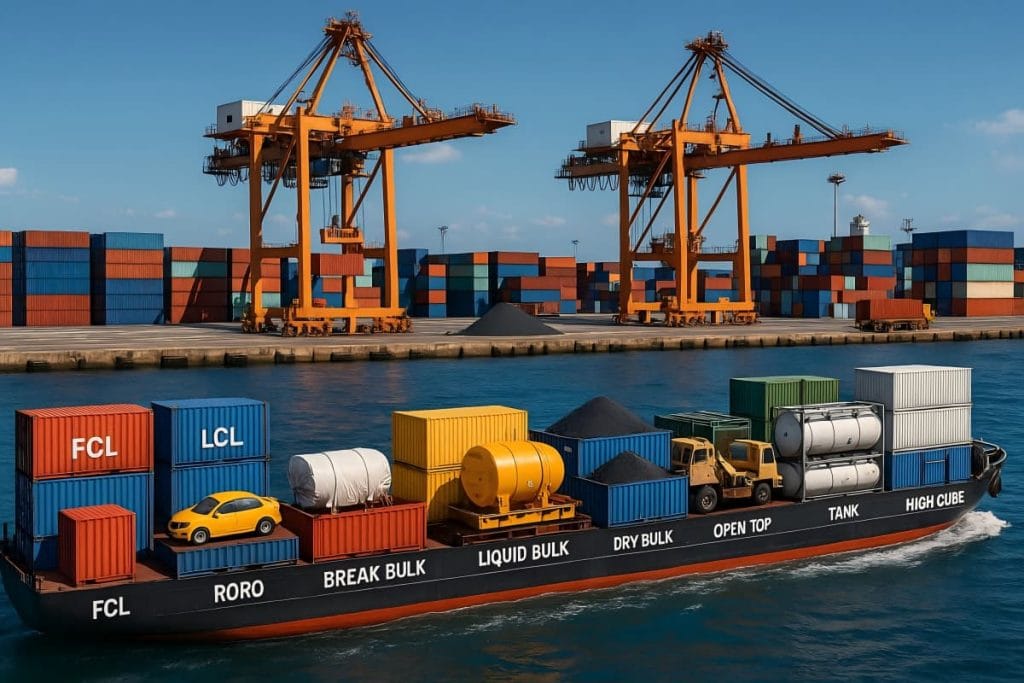
The global nature of polyethylene trade means that logistics and Incoterms are integral to the procurement process. Whether sourcing HDPE blow molding grades locally or importing LLDPE film grades from overseas, understanding shipping and delivery terms can save considerable cost and avoid disputes. Incoterms (International Commercial Terms) are a set of pre-defined commercial terms published by the International Chamber of Commerce (ICC) that clarify the tasks, costs, and risks associated with the transportation and delivery of goods.
Common Incoterms relevant to polyethylene procurement include:
- Ex Works (EXW): The buyer is responsible for all costs and risks from the supplier’s premises.
- Free Carrier (FCA): The seller delivers the goods to a carrier nominated by the buyer.
- Cost, Insurance, and Freight (CIF): The seller pays for the cost of goods, insurance, and freight to the destination port.
- Delivered Duty Paid (DDP): The seller handles all aspects of delivery, including customs duties.
The selection of Incoterms significantly impacts who is responsible for freight, insurance, customs clearance, and import duties. Buyers must carefully consider their own capabilities and risk appetite when agreeing on Incoterms for their polyethylene supply. Efficient logistics management, coupled with a clear understanding of Incoterms, is vital for managing the complexities of [HDPE vs LLDPE for Film & Blow] procurement and ensuring timely delivery to processing facilities.
Documentation and Compliance: Essential for Smooth Transactions
Ensuring that all necessary documentation is in order is crucial for smooth and compliant transactions involving polyethylene resins. This is particularly important when dealing with international shipments or highly regulated applications. Buyers must be prepared to request and review several key documents, often referenced in or alongside the spec table.
Key Documents Typically Required:
- Certificate of Analysis (COA): Verifies that a specific batch of resin meets the agreed-upon specifications. This is fundamental for quality assurance.
- Material Safety Data Sheet (MSDS) / Safety Data Sheet (SDS): Provides essential information on the safe handling, storage, and potential hazards of the material.
- Technical Data Sheet (TDS): Offers a more detailed overview of grade properties and recommended applications.
- Declaration of Conformity: Certifies compliance with relevant industry standards or regulations (e.g., food contact compliance).
Buyers should establish a clear process for requesting, reviewing, and archiving these documents. Ensuring timely receipt of a correct COA for each shipment, for example, is critical for validating that the delivered HDPE blow molding or LLDPE film grade matches the ordered specifications. Compliance with regulatory requirements, such as REACH in Europe or FDA in the US for food-contact applications, is non-negotiable.
Risk Management and Claims Process
Despite meticulous planning and adherence to specifications, unforeseen issues can arise with polyethylene shipments. A robust risk management strategy and a clearly defined claims process are essential for mitigating potential losses and disruptions. Common issues might include off-spec material, damaged packaging, or discrepancies between the delivered product and the documented specifications.
When a problem is identified with an HDPE blow molding or LLDPE film grade shipment, the first step is usually to document the issue thoroughly. This includes taking clear photographs of any damage or non-conformance, noting batch numbers, and referencing the associated COA. Prompt communication with the supplier is crucial. Most suppliers have a formal claims process that requires submitting a written claim detailing the issue, along with supporting evidence.
Understanding the supplier’s policy on handling claims, including time limits for reporting issues and their procedures for investigation and resolution (e.g., product replacement, credit memo), is vital. A well-structured spec table and consistent quality control on the supplier’s end significantly reduce the likelihood of claims, but being prepared for such eventualities ensures business continuity.
Conclusion: Securing Your Supply Chain with the Right Polyethylene
Navigating the complexities of [HDPE vs LLDPE for Film & Blow] procurement requires a comprehensive understanding of material properties, market dynamics, and supply chain logistics. From scrutinizing the spec table for precise technical data to managing MOQs, lead times, packaging, and Incoterms, every detail plays a role in ensuring operational efficiency and product quality. Whether you require robust HDPE blow molding grades for durable containers or high-performance LLDPE film grades for advanced packaging solutions, a strategic approach to sourcing is paramount. By staying informed about polyethylene demand, maintaining clear communication with suppliers, and prioritizing documentation and compliance, businesses can build resilient supply chains. Empower yourself with the knowledge to make the best material selection and procurement decisions for your specific needs.
Secure your production continuity and product excellence by mastering [HDPE vs LLDPE for Film & Blow] procurement.