

Here’s the publication-ready article, focusing on the phrase “Landing PP in India, Turkey & the EU” as the exact focus keyword.
Navigating the Complexities of Landing PP in India, Turkey & the EU
Successfully Landing PP in India, Turkey & the EU requires a comprehensive understanding of varying import requirements, duties overview, BIS India, EU/Turkey QC checks, documentation pack, timelines, and compliance checklist. This guide aims to equip businesses with the essential knowledge to navigate these intricate processes efficiently and avoid costly pitfalls, ensuring your Polypropylene (PP) shipments meet all regulatory demands. Mastering the nuances of global trade in raw materials like PP is crucial for sustained market access and profitability.
Executive Summary
- Regulatory Harmonization Gaps: Significant variations exist in quality control, certification, and import duties across India, Turkey, and the EU, necessitating tailored import strategies for each market.
- Documentation is Paramount: A complete and accurate documentation pack, including Certificates of Analysis (CoA), Material Safety Data Sheets (MSDS), and customs declarations, is non-negotiable for successful customs clearance.
- Quality Control Rigor: India’s Bureau of Indian Standards (BIS) and the EU/Turkey’s respective quality control checks demand meticulous attention to product specifications and adherence to marked standards.
- Logistical Planning is Key: Understanding lead times, choosing appropriate Incoterms, and engaging reliable logistics partners are vital for predictable timelines and cost management when Landing PP in India, Turkey & the EU.
Understanding Polypropylene (PP) Grades and Specifications
The first step towards Landing PP in India, Turkey & the EU involves a clear grasp of the specific grades and specifications required by each market and intended application. Polypropylene is not a monolithic material; it’s a versatile polymer available in various forms, including homopolymer, copolymer (random and block), and random copolymers. Each type offers distinct properties like stiffness, impact resistance, clarity, and thermal stability, catering to diverse end-uses such as packaging films, automotive parts, textiles, and consumer goods.
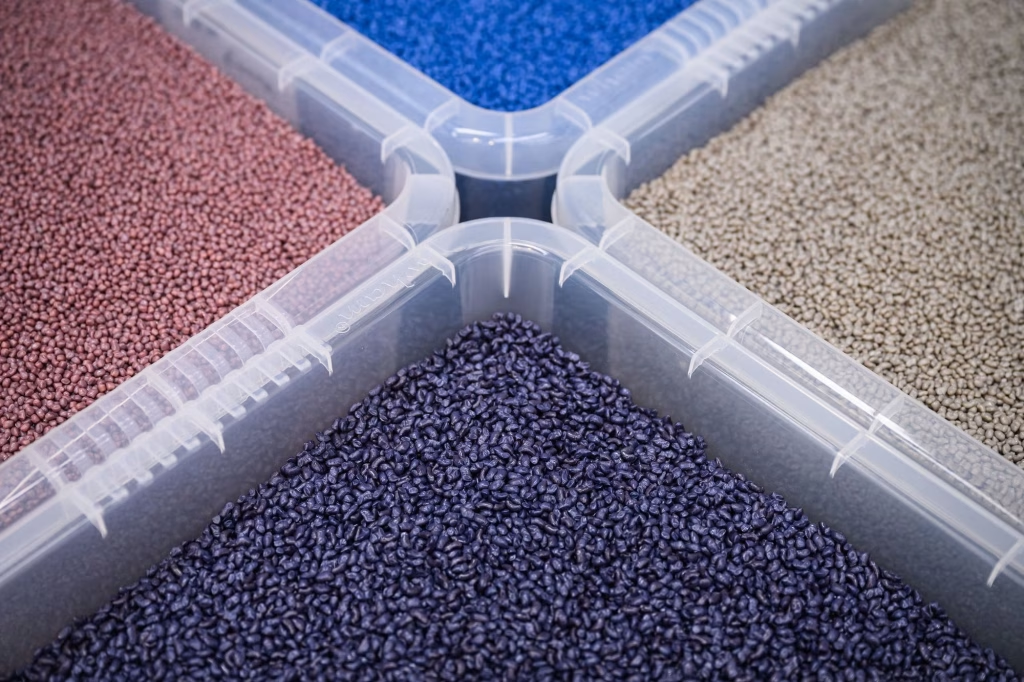
Importers must meticulously define the required PP grade based on the customer’s application. For instance, packaging applications might demand high clarity and good sealability (e.g., PP random copolymer), while industrial components could necessitate high impact strength and stiffness (e.g., PP block copolymer). Buyers should always obtain detailed technical data sheets from their suppliers, outlining melt flow rate (MFR), tensile strength, elongation at break, Izod impact strength, and other critical parameters. These specifications form the foundation of your compliance efforts.
Suppliers must ensure their product data accurately reflects these parameters. Discrepancies can lead to rejections at customs or dissatisfaction from the end-user. Market research into the prevalent PP grades and their typical specifications within India, Turkey, and the EU can provide valuable insights into market preferences and regulatory expectations.
Packaging and Palletization Standards
Proper packaging and palletization are critical for protecting the integrity of PP during transit and ensuring ease of handling when Landing PP in India, Turkey & the EU. Polypropylene is typically supplied in granular or pellet form. Common packaging methods include:
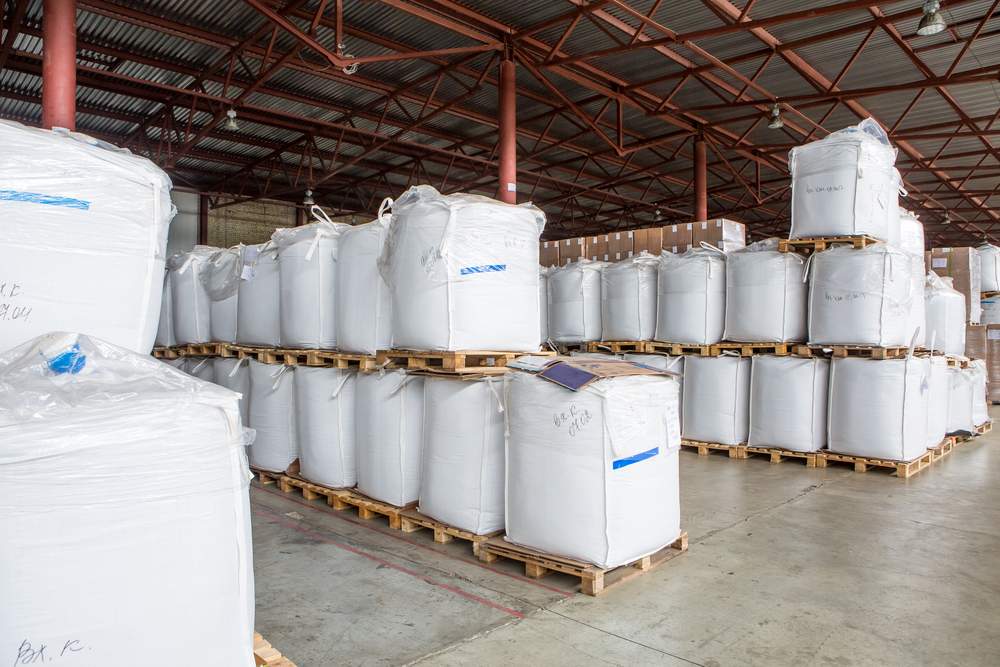
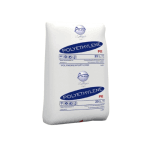
- 25 kg Bags: These are standard paper or woven PP bags, often with an inner polyethylene liner to prevent moisture ingress. They are easy to handle for smaller quantities or for direct offloading to smaller manufacturing units.
- Jumbo Bags (FIBCs – Flexible Intermediate Bulk Containers): These large woven PP bags, typically holding 500 kg to 1500 kg, are standard for bulk shipments. They offer cost-effectiveness for large volumes and are designed for mechanical handling with forklifts or cranes.
- Silos/Bulk Transport: For very large, continuous supply needs, PP can be transported in bulk via specialized road tankers or ISO tanks, but this is less common for standard import scenarios.
Palletization is essential for efficient warehouse management and international shipping. Bags are typically stacked on wooden or plastic pallets, secured with stretch wrap and/or strapping to prevent shifting during transit. Pallet dimensions, weight limits, and stacking heights must comply with international shipping standards and the capabilities of receiving warehouses. For instance, standard Europallets (1200mm x 800mm) or industrial pallets (1000mm x 1200mm) are common.
When Landing PP in India, Turkey & the EU, customs authorities and port operators have specific requirements for how goods are presented. Damaged packaging can lead to delays and additional inspection fees. Ensuring water-resistant outer wrapping, especially for shipments destined for humid climates or long sea voyages, is a prudent measure.
Minimum Order Quantities (MOQ) and Lead Time Considerations
Understanding Minimum Order Quantities (MOQ) and lead times is integral to strategic planning for Landing PP in India, Turkey & the EU. MOQs are set by suppliers and often depend on production batch sizes and logistical efficiencies. For bulk polymers like PP, MOQs can range significantly, from a single pallet (approx. 1MT) for some specialized grades or smaller suppliers, to a full container load (FCL – typically 20-25 MT for 20ft containers, or 40-45 MT for 40ft containers) for standard grades from major manufacturers.
Negotiating MOQs is often possible, especially for established customers or with suppliers willing to accommodate smaller orders with potentially higher per-unit costs. However, for consistent, cost-effective supply, aligning with larger MOQs is generally advantageous.
Lead times encompass the period from order placement to the goods being ready for shipment and subsequent delivery. This can be broken down:
- Production Lead Time: The time it takes for the supplier to manufacture the ordered quantity of PP. This can range from 1-4 weeks, depending on the grade’s demand and the supplier’s production schedule.
- Pre-shipment Preparation: Time for quality checks, packaging, and loading onto the vessel. Typically 1-2 weeks.
- Transit Time: The actual shipping duration from the port of origin to the destination port. This is highly variable:
- India: Sea transit times to European ports can range from 3-6 weeks.
- Turkey: Sea transit times to European ports are generally shorter, ranging from 1-3 weeks depending on origin.
- EU: Intra-European shipping can be as short as a few days.
When planning for Landing PP in India, Turkey & the EU, it’s crucial to factor in potential delays due to port congestion, customs clearance, and unforeseen global supply chain disruptions. Building buffer stock or establishing strong relationships with multiple suppliers can mitigate these risks. Negotiating firm lead times in contracts is advisable, though market volatility can sometimes impact these.
The Crucial Documentation Pack and Compliance Checklist
The documentation pack is arguably the most critical element in the entire process of Landing PP in India, Turkey & the EU. Without a complete and accurate set of documents, your shipment can face detention, fines, and even confiscation. A comprehensive documentation pack typically includes:
- Commercial Invoice: Details the transaction, including seller, buyer, quantity, unit price, total value, and currency.
- Bill of Lading (B/L) or Air Waybill (AWB): The contract of carriage and receipt for goods issued by the carrier.
- Packing List: Itemizes the contents of each package, including weight, dimensions, and packaging type.
- Certificate of Analysis (CoA): Issued by the supplier, this document certifies that the PP batch meets the agreed-upon specifications (e.g., MFR, density, tensile strength). This is vital for quality assurance and regulatory compliance.
- Material Safety Data Sheet (MSDS) / Safety Data Sheet (SDS): Provides essential information on the chemical properties, potential hazards, safe handling, and emergency procedures for the PP. Required for safety compliance.
- Certificate of Origin (COO): Verifies the country where the goods were manufactured. Important for customs duties and trade agreements.
- Import License/Permit: Depending on the destination country, a specific import license might be required for PP.
- Insurance Certificate: Proof of marine or cargo insurance covering the shipment.
Compliance Checklist for Landing PP:
A thorough compliance checklist will ensure all bases are covered for each target market:
It is crucial to note that PP import requirements and duties can change. Consulting with a customs broker or trade compliance specialist in each target country is highly recommended for the most up-to-date and specific advice. The documentation pack must be meticulously prepared and submitted in the correct format and language, often requiring certified translations.

Logistics, Incoterms, and Shipping Strategies
Effective logistics and a clear understanding of Incoterms are fundamental to the success of Landing PP in India, Turkey & the EU. Incoterms (International Commercial Terms) define the responsibilities, costs, and risks shared between the buyer and seller in international transactions.
Common Incoterms for PP shipments include:
- FOB (Free On Board): The seller is responsible for delivering the goods to the named port of shipment and placing them on board the vessel. From that point, the buyer assumes all costs and risks.
- CIF (Cost, Insurance, and Freight): The seller pays for the cost of the goods, insurance, and freight to the named destination port. The risk transfers to the buyer once the goods are on board the vessel at the origin port.
- CFR (Cost and Freight): Similar to CIF, but the seller does not arrange for insurance.
- EXW (Ex Works): The seller makes the goods available at their premises. The buyer assumes all costs and risks from the point of collection. This offers the buyer maximum control but also maximum responsibility.
- DAP (Delivered At Place): The seller delivers the goods to the named place of destination, ready for unloading. The seller bears all risks and costs associated with bringing the goods to that point, except for import clearance.
The choice of Incoterm significantly impacts your cost structure and management of the supply chain. For instance, choosing CIF allows you to know the landed cost more precisely, but you may have less control over shipping and insurance costs compared to FOB or CFR where you arrange freight yourself.
When Landing PP in India, Turkey & the EU, consider the following shipping strategies:
- Ocean Freight: The most cost-effective method for bulk PP. Options include:
- Full Container Load (FCL): Booking an entire container for your shipment. Generally faster transit and better security than LCL.
- Less than Container Load (LCL): Consolidating your shipment with others in a single container. Can be more costly per unit for larger volumes and subject to delays due to consolidation/de-consolidation.
- Air Freight: Significantly more expensive but much faster. Typically reserved for urgent, high-value, or sample shipments, rarely for bulk PP.
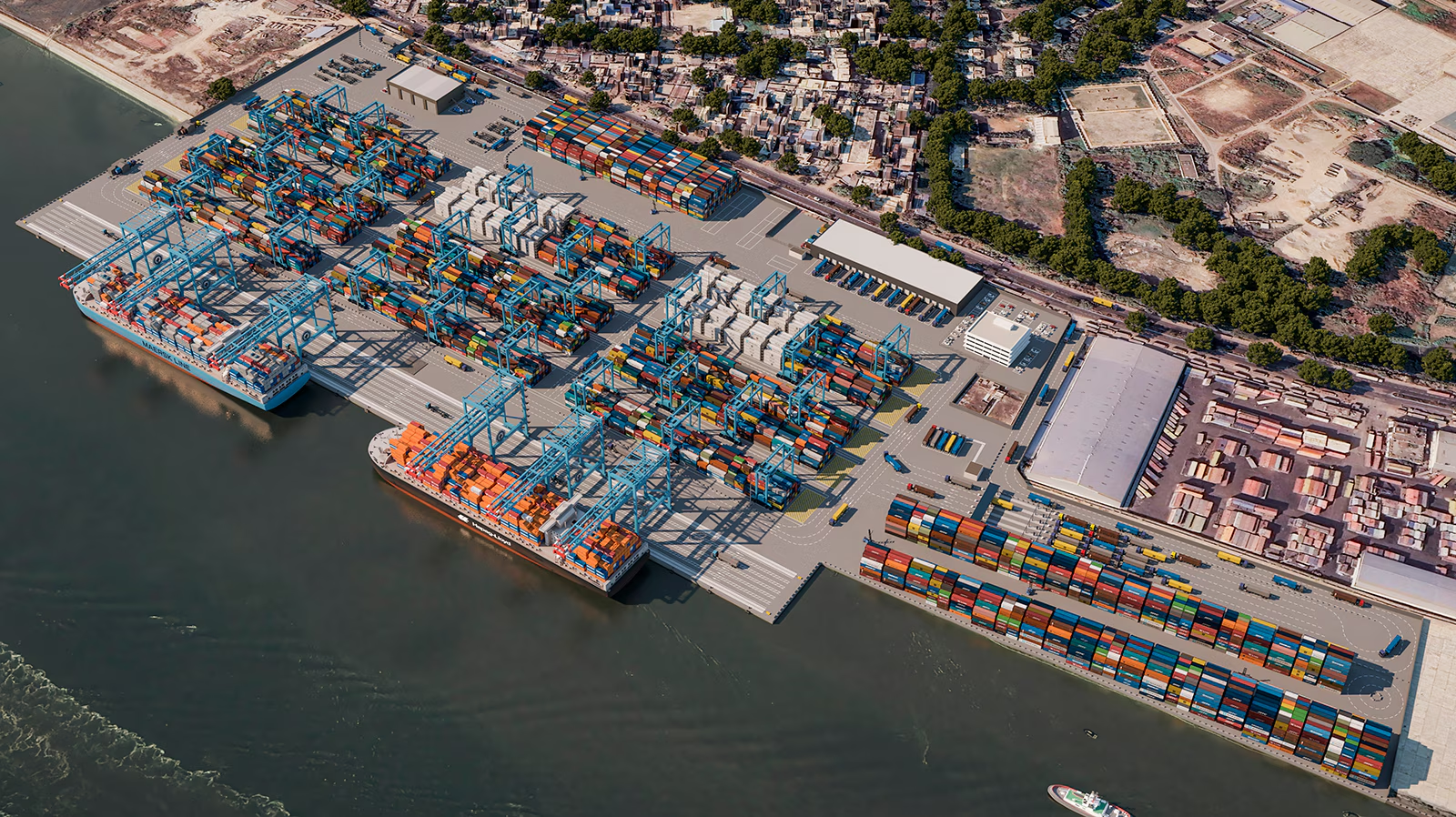
- Multimodal Transport: Combining different modes of transport (e.g., sea-rail, sea-road) to optimize cost and transit times.
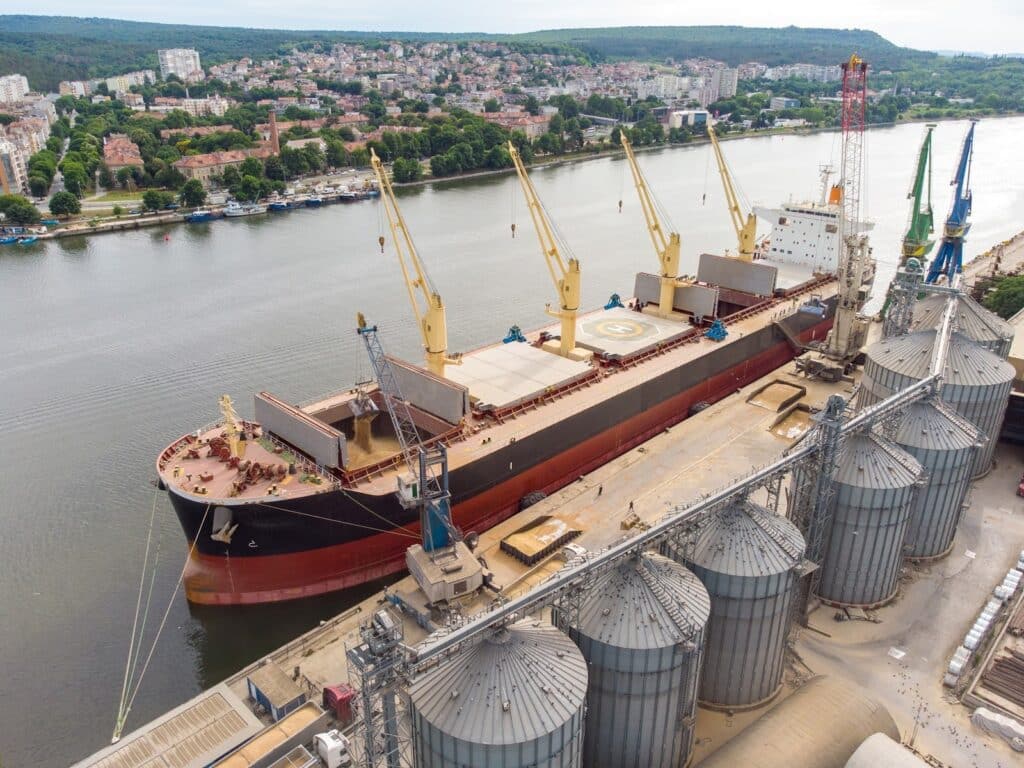
Engaging reputable freight forwarders with expertise in the chosen markets is crucial. They can assist with booking vessel space, managing documentation, and navigating customs procedures. For EU/Turkey QC checks and BIS India compliance, ensure your logistics are coordinated to facilitate any necessary inspections or sampling.
Mitigating Risks and Managing Claims
Despite meticulous planning for Landing PP in India, Turkey & the EU, risks are inherent in international trade. Proactive risk mitigation and a clear procedure for managing claims are essential for protecting your investment.
Key Risks:
- Quality Non-Conformance: The delivered PP does not meet agreed specifications. This can stem from supplier issues, contamination during transit, or degradation.
- Quantity Shortage: The shipment arrives with less material than declared.
- Damage During Transit: Packaging failure leading to spillage or contamination, or physical damage to bags or pallets.
- Customs Delays/Rejection: Incorrect documentation, unmet regulatory requirements (BIS India, EU/Turkey QC checks), or incorrect tariff classifications leading to delays or rejection.
- Supplier Default: The supplier fails to deliver or delivers subpar quality.
- Force Majeure Events: Unforeseen events like natural disasters, port strikes, or geopolitical instability disrupting supply chains.
Risk Mitigation Strategies:
- Supplier Vetting: Thoroughly research and vet your suppliers, including site visits if possible, and obtain credit reports.
- Quality Control: Implement pre-shipment inspections (PSI) by an independent third-party surveyor. Request pre-production samples for approval. Ensure CoAs are verified.
- Insurance: Secure comprehensive cargo insurance that covers the full value of the goods, including shipping costs and potential profit loss. Understand the policy exclusions.
- Contractual Clauses: Include robust clauses in your supply agreement regarding quality, quantity, delivery timelines, dispute resolution, and penalties for non-compliance.
- Phased Introduction: For new suppliers or markets, consider smaller trial orders before committing to large volumes.
- Diversification: Avoid relying on a single supplier or shipping route.
Managing Claims:
If an issue arises, prompt action is critical:
- Document Everything: Immediately photograph any damage, shortage, or quality issue upon arrival. Keep all original packaging and labels.
- Notify Parties: Inform your supplier, freight forwarder, insurance company, and any relevant third-party inspectors as soon as possible, adhering to contractual notice periods.
- Formal Claim Submission: Submit a formal, written claim with all supporting evidence (photos, surveyor reports, commercial invoice, B/L, etc.).
- Follow Up: Maintain consistent follow-up with all involved parties to ensure the claim is processed efficiently.
For claims related to PP import requirements, duties overview, or EU/Turkey QC checks failures, involving your customs broker early can help navigate specific regulatory claim processes. A well-prepared documentation pack is invaluable when lodging any claim.
Conclusion: Your Path to Seamlessly Landing PP in India, Turkey & the EU
Successfully Landing PP in India, Turkey & the EU is a complex but achievable objective. It hinges on diligent preparation, a thorough understanding of diverse regulatory landscapes, meticulous documentation, and robust logistical planning. From navigating the specific BIS India certification requirements to adhering to EU/Turkey QC checks, every step demands precision. By mastering the intricacies of PP import requirements, duties overview, packaging, documentation pack, timelines, and the overall compliance checklist, businesses can minimize risks and maximize efficiency. Empower your operations with the knowledge and strategies outlined herein to ensure your PP thrives in these key global markets.
- Ready to streamline your import process and ensure effortless Landing PP in India, Turkey & the EU? Contact us today for expert guidance and tailored solutions to meet your global supply chain needs.