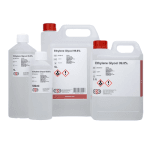
Navigating the complexities of international trade for chemicals requires a comprehensive understanding of product specifications, logistical frameworks, and regulatory requirements. This Monoethylene Glycol Export Guide aims to provide buyers with the essential knowledge to procure polyester-grade MEG efficiently and securely. Mastering details from packaging options like ISO tank versus drums to understanding crucial documents such as MSDS and COA, along with contract terms, lead times, freight options, and Incoterms, is paramount for a successful transaction.
Exporting Monoethylene Glycol is a critical process for chemical manufacturers targeting global markets. Understanding the nuances of Monoethylene Glycol Export helps companies optimize pricing, comply with international regulations, and streamline logistics operations. Successful Monoethylene Glycol Export relies on accurate market research, knowledge of shipping documentation, and awareness of regional demand trends. By carefully planning every aspect of Monoethylene Glycol Export, companies can reduce risks, maximize efficiency, and strengthen their position in the competitive chemical export market.
Table of Contents
Executive Summary
- Polyester-grade MEG is a key feedstock, requiring strict adherence to purity specifications for optimal polymer production.
- Understanding ISO tank vs. drums is crucial for selecting the most cost-effective and practical packaging solution based on volume and logistical capabilities.
- Thorough review of MSDS, COA, contract terms, lead times, freight options, and Incoterms ensures clarity, compliance, and successful execution of the Monoethylene Glycol (MEG) Export Guide principles.
- Proactive management of documentation and logistics is vital for mitigating risks and ensuring timely delivery of your MEG supply.
Understanding Polyester-Grade MEG Specifications Step-by-Step Guide to Monoethylene Glycol Export
When engaging in the Monoethylene Glycol (MEG) Export Guide, the most critical aspect for end-users, particularly in the polyester industry, is achieving polyester-grade specs. This grade signifies a high level of purity, essential for the polymerization process that forms polyethylene terephthalate (PET) used in fibers and films. Impurities can negatively impact the color, strength, and processing characteristics of the final polyester product. Understanding Monoethylene Glycol Export is crucial for companies targeting global markets.
Several factors influence the success of Monoethylene Glycol Export, including international regulations, pricing strategies, and market demand. Manufacturers should carefully monitor global supply chains, shipping schedules, and environmental compliance requirements to ensure smooth operations. Effective Monoethylene Glycol Export requires careful planning, adherence to regulations, and strategic market analysis. By understanding the key factors and addressing common challenges, manufacturers can maximize efficiency, reduce risks, and succeed in global markets.
Understanding global pricing and market fluctuations is essential for effective Monoethylene Glycol Export. Competitive pricing strategies can help businesses capture new markets and maintain profitability

Exporting Monoethylene Glycol is a critical process for chemical manufacturers targeting global markets. Understanding the nuances of Monoethylene Glycol Export helps companies optimize pricing, comply with international regulations, and streamline logistics operations. Successful Monoethylene Glycol Export relies on accurate market research, knowledge of shipping documentation, and awareness of regional demand trends. Additionally, factors such as transportation costs, storage requirements, and quality control play an important role in maintaining profitability. Manufacturers must also monitor global supply chain fluctuations and environmental compliance standards to ensure smooth export operations. By carefully planning every aspect of Monoethylene Glycol Export, companies can reduce risks, maximize efficiency, and strengthen their position in the competitive chemical export market
Key parameters for polyester-grade MEG typically include a high assay (often >99.8% purity), low water content, minimal acidity, and acceptable levels of other glycols like diethylene glycol (DEG) and triethylene glycol (TEG). Manufacturers provide a Certificate of Analysis (COA) for each batch, detailing these specifications, which is a cornerstone document in any Monoethylene Glycol (MEG) Export Guide. Buyers should always request and scrutinize the COA against their specific process requirements. It’s important to note that while general specs are widely accepted, some specialized applications might have even tighter tolerances, requiring specific discussions with the supplier.
Packaging and Palletization: ISO Tank vs. Drums
The choice between ISO tank vs. drums significantly impacts the logistics and cost of exporting Monoethylene Glycol (MEG). Each option caters to different scales of operation and handling capabilities.
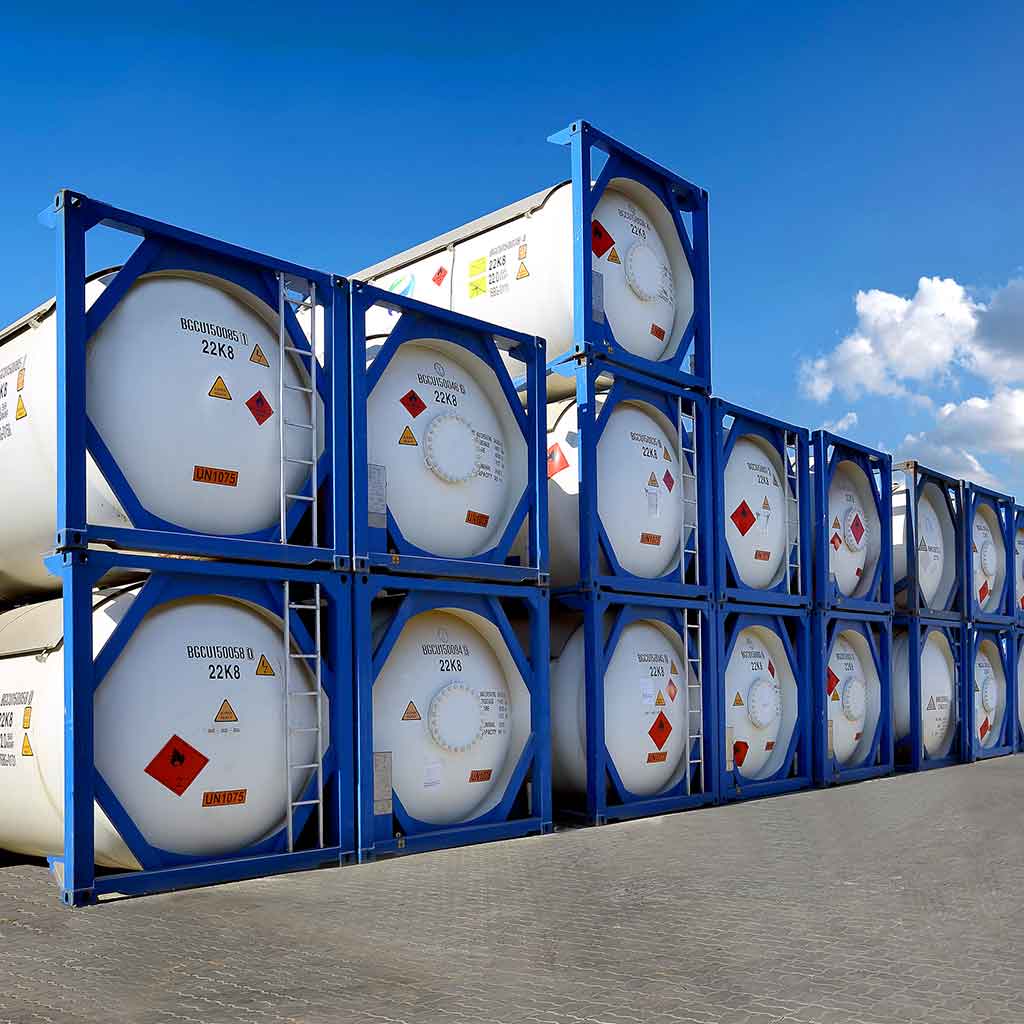
ISO Tanks are large, standardized intermodal containers designed for bulk liquid transport. For large-volume buyers, this is often the most economical option per unit of MEG. ISO tanks allow for direct transfer from the supplier’s facility to the buyer’s receiving terminal, minimizing handling and reducing the risk of contamination. However, they require specialized loading and unloading equipment and infrastructure at both ends, as well as a commitment to larger minimum order quantities (MOQs).
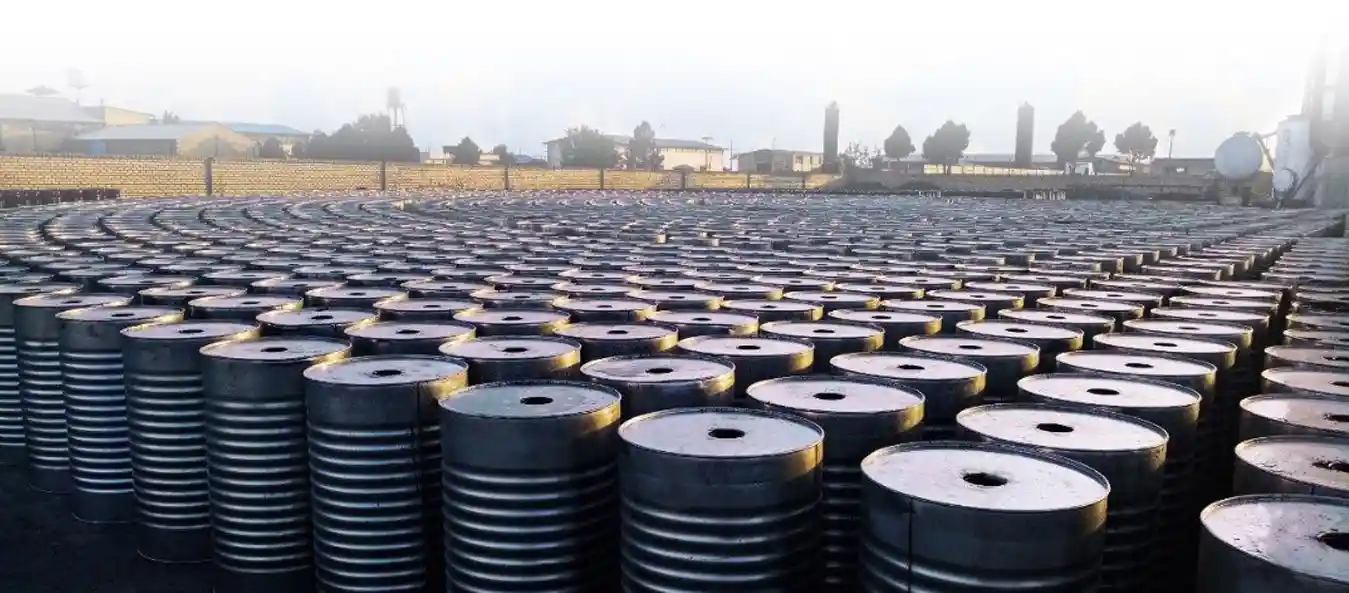
Drums (typically 200-220 liter steel or plastic drums) offer flexibility for smaller volume requirements or for buyers without bulk liquid handling facilities. MEG is often packed onto pallets, making them easier to handle with standard forklifts. While more convenient for smaller shipments, the cost per liter of MEG is higher compared to ISO tanks due to increased packaging and handling efforts, and they present a greater potential for leaks or damage during transit if not properly secured and palletized.
| Feature | ISO Tank | Drums |
|---|---|---|
| Volume | Bulk (20,000 – 26,000+ liters) | Smaller (200-220 liters) |
| Cost per Unit | Lower | Higher |
| Handling Needs | Specialized loading/unloading equipment | Standard forklifts, pallet handling |
| Contamination Risk | Lower ultimate handling contact | Higher potential for contamination during transfers |
| Typical Buyer | Large-scale manufacturers, bulk importers | Medium-to-small scale users, those without bulk storage |
| Transit Time | Can be integrated into longer sea voyages | Flexible shipping schedules, can be LCL or FCL |
This comparison highlights why careful consideration of ISO tank vs. drums is a critical step in any Monoethylene Glycol (MEG) Export Guide.
Minimum Order Quantity (MOQ) and Lead Times
Understanding MOQ and lead times is fundamental for any buyer following a Monoethylene Glycol (MEG) Export Guide. These factors directly influence inventory management, production planning, and overall supply chain efficiency.
Maintaining high-quality standards and meeting environmental regulations is vital for Monoethylene Glycol Export. Compliance with international safety standards protects both the manufacturer and the buyer.
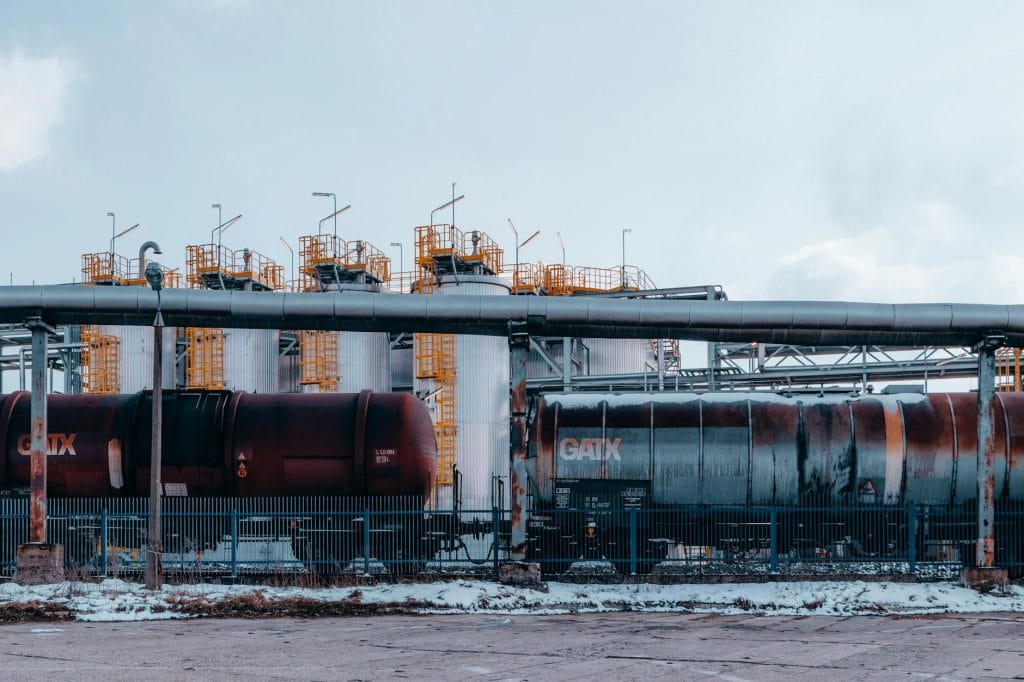
MOQ typically varies significantly based on the packaging format. For ISO tanks, the MOQ will often be a full tank (approximately 20-25 metric tons). For drummed shipments, the MOQ can be considerably lower, perhaps a single pallet (4 drums) or a few pallets, depending on the supplier’s export capabilities and regional distribution strategies. Some suppliers may offer FCL (Full Container Load) as a minimum for drum shipments, which usually equates to 80 drums or more per 20ft container.Factors affecting Monoethylene Glycol Export include pricing, regulations, and logistics.
Lead times are the duration from order confirmation to shipment. This period encompasses production scheduling, quality control, packaging, port loading, and vessel booking. For MEG, a typical lead time can range from 2 to 6 weeks from the placement of a confirmed order. Factors influencing this include:
- Supplier’s current production schedule and inventory levels.
- Availability of ISO tanks or drums and associated drayage.
- Port congestion and vessel schedules.
- Customs clearance procedures at the origin port.
- Specific packaging requirements.
Buyers should always confirm precise lead times and MOQs at the outset of negotiations. A robust Monoethylene Glycol (MEG) Export Guide necessitates clear communication on these timelines to avoid production disruptions. You can learn more about strategic procurement planning on our strategic sourcing page.
Essential Documentation and Compliance: MSDS and COA
The backbone of any chemical export, especially for a product like Monoethylene Glycol (MEG), lies in its accompanying documentation. For a successful Monoethylene Glycol (MEG) Export Guide, meticulous attention to the Material Safety Data Sheet (MSDS) and Certificate of Analysis (COA) is non-negotiable.
The MSDS (now often termed Safety Data Sheet or SDS under the Globally Harmonized System – GHS) is a critical document providing comprehensive information about the chemical’s properties, hazards, safe handling, storage, emergency procedures, and disposal. It is vital for ensuring recipient safety and compliance with local regulations in the importing country. Every shipment must include an up-to-date MSDS provided by the manufacturer.Trends in Monoethylene Glycol Export help manufacturers predict demand and optimize production.
The COA is specific to each production batch. It serves as a quality guarantee, detailing the actual test results for the parameters agreed upon in the contract, particularly the polyester-grade specs discussed earlier. It confirms that the product meets the required purity and all other critical specifications for its intended use.
A mini-checklist for Monoethylene Glycol (MEG) Export Guide documentation:
- COA: Verified against agreed-upon polyester-grade specs for the specific batch being shipped.
- MSDS/SDS: Reviewed for hazard information and safe handling protocols. Ensure it’s current and compliant with import country requirements.
- Bill of Lading (B/L) or Air Waybill (AWB): Accurate details of shipper, consignee, cargo description, and quantity.
- Commercial Invoice: Details the transaction, product description, quantity, price, and terms of sale.
- Packing List: Itemizes the contents of each package or container.
- Export/Import Licenses (if applicable): Ensure all permits are in order.
Adherence to these documentation requirements is a fundamental part of a smooth Monoethylene Glycol (MEG) Export Guide. For further insights into international trade compliance, explore our international trade compliance resources.
Logistics and Incoterms: Freight Options and Delivery
Effectively navigating the freight options and understanding Incoterms is crucial for executing your Monoethylene Glycol (MEG) Export Guide. These elements define responsibilities, costs, and risks for both buyer and seller throughout the transportation process.
Freight Options:
- Sea Freight: The most common and cost-effective method for large-volume polyester-grade specs MEG exports, especially when using ISO tank vs. drums. Ro-Ro (Roll-on/Roll-off) vessels can be used for ISO tanks, while containers (FCL – Full Container Load or LCL – Less than Container Load) are used for drummed MEG.
- Air Freight: Rarely used for MEG due to its bulk nature and cost, but may be considered for extremely urgent, small sample shipments.
Incoterms: These are internationally recognized trade terms that clarify the division of responsibilities and costs between buyer and seller. Key Incoterms relevant to MEG exports include:
- EXW (Ex Works): The seller makes the goods available at their premises. The buyer bears all costs and risks of moving the goods from the seller’s factory to the final destination. This offers the buyer maximum control but also maximum responsibility.
- FOB (Free On Board): The seller delivers the goods, cleared for export, on board the vessel nominated by the buyer at the named port of shipment. Once the goods are on board the vessel, all costs and risks transfer to the buyer. This is a very common term for Monoethylene Glycol (MEG) Export Guides.
- CIF (Cost, Insurance, and Freight): The seller arranges and pays for the cost of goods, freight, and insurance to the named destination port. The risk transfers to the buyer when the goods are loaded onto the vessel at the origin.
- DDP (Delivered Duty Paid): The seller delivers the goods, cleared for import, to the buyer’s premises. The seller bears all costs and risks, including duties and taxes. This is the most buyer-friendly term but also the most complex for the seller.
Choosing the appropriate Incoterm is a critical decision within your Monoethylene Glycol (MEG) Export Guide, directly impacting your budget and operational involvement.
Managing Risk and Claims
A proactive approach to risk management is an indispensable component of any Monoethylene Glycol (MEG) Export Guide. Despite meticulous planning, unforeseen issues can arise, necessitating a clear understanding of how to manage and resolve them.
Common risks in MEG export include:
- Transit Damage/Loss: Particularly relevant when considering ISO tank vs. drums. Drums are more susceptible to puncture or leakage if not palletized and secured correctly. ISO tanks can sustain damage during loading, unloading, or transit.
- Quality Discrepancies: If the delivered MEG does not meet the agreed polyester-grade specs as per the COA, leading to production issues.
- Delays: Shipment delays due to port congestion, weather, customs holds, or documentation errors can disrupt production schedules.
- Force Majeure Events: Unforeseeable circumstances like natural disasters, political unrest, or global pandemics that prevent fulfillment of contractual obligations.
To mitigate these risks:
- Thorough Supplier Vetting: Choose reputable suppliers with a proven track record.
- Comprehensive Contracts: Clearly define specifications, responsibilities, payment terms, and dispute resolution mechanisms.
- Adequate Cargo Insurance: Ensure sufficient insurance coverage is in place, aligned with the chosen Incoterm.
- Pre-shipment Inspections: Consider third-party quality and quantity inspections before shipment.
- Documentary Diligence: Maintain precise and complete documentation throughout the process.
Should a claim arise, prompt action is crucial. It typically involves:
- Notifying the responsible party (carrier, insurer, or supplier) immediately.
- Gathering all relevant evidence: photos/videos of damage, discrepancy reports, relevant documents (B/L, COA, commercial invoice).
- Following the claim procedures outlined in the contract and insurance policy.
Effective risk management ensures that your Monoethylene Glycol (MEG) Export Guide leads to predictable and reliable outcomes, protecting your investment and operational continuity. For businesses looking to safeguard their supply chains, exploring supply chain risk management strategies is highly recommended.

Conclusion: Your Path to Seamless MEG Procurement
Successfully navigating the international trade of chemicals like Monoethylene Glycol demands a nuanced understanding of product specifications, logistical intricacies, and regulatory compliance. This Monoethylene Glycol (MEG) Export Guide has illuminated the critical factors involved, from specifying polyester-grade specs and choosing between ISO tank vs. drums for packaging, to the indispensable role of MSDS and COA in quality assurance. We’ve also emphasized the importance of clearly defined contract terms, realistic lead times, strategic freight options, and the precise application of Incoterms to manage costs and responsibilities.
By internalizing these principles and applying them diligently to your procurement strategy, you can minimize risks, optimize costs, and ensure a consistent, high-quality supply of MEG for your operations. A well-executed export strategy is not just about acquiring a chemical; it’s about building a robust, reliable supply chain that supports continuous growth and operational excellence.
Embark on your next international chemical transaction with confidence by mastering the essential elements outlined in this Monoethylene Glycol (MEG) Export Guide.