
When sourcing materials for beverage production, understanding the nuances of PET Resin for Bottlers: IV, Food-Grade & Packaging is paramount. This comprehensive guide aims to demystify key aspects of PET resin, from intrinsic viscosity to packaging configurations, empowering bottlers to make informed purchasing decisions for their global supply chains.
Executive Summary
- Intrinsic Viscosity (IV) is Key: Select the correct grade of PET Resin for Bottlers: IV, Food-Grade & Packaging based on the target application’s mechanical requirements, with higher IV generally indicating better strength for demanding bottling operations.
- Food-Grade Compliance is Non-Negotiable: Always ensure your chosen PET resin meets stringent food-grade regulations (e.g., FDA, EFSA) for safe contact with beverages.
- Packaging and Logistics Matter: Understand standard packaging formats like 25 kg bags and jumbo bags, as well as palletization strategies. Negotiate clear MOQs (Minimum Order Quantities) and realistic lead times for efficient production planning.
- Documentation is Essential: Be prepared for and request necessary documentation, including a Certificate of Analysis (COA), Material Safety Data Sheet (MSDS), and product specifications, to verify quality and compliance.
Understanding Intrinsic Viscosity (IV) and Grade Selection
The performance of PET resin in bottling applications is intrinsically linked to its intrinsic viscosity (IV). Intrinsic viscosity is a measure of a polymer’s molecular weight. For PET Resin for Bottlers: IV, Food-Grade & Packaging, a higher IV generally translates to increased molecular chain length, which in turn provides greater mechanical strength and barrier properties to the final bottle. Typical IV values for bottling grades range from 0.75 dL/g to 0.86 dL/g, with specific applications dictating the optimal choice.
- Lower IV (e.g., 0.75–0.78 dL/g): Often suitable for applications where less demanding mechanical performance is required, or where the resin might be blended with other polymers. This might also be considered for certain types of packaging.
- Mid-Range IV (e.g., 0.78–0.82 dL/g): This is a very common range for standard beverage bottles, offering a good balance of processability and physical properties for carbonated and non-carbonated drinks.
- Higher IV (e.g., 0.82–0.86 dL/g): Recommended for bottles requiring enhanced barrier properties, high impact strength, or for applications involving hot-fill processes. This higher IV often signifies a robust grade suitable for demanding PET resin export scenarios.
When specifying PET resin, it’s crucial to engage with your supplier regarding the exact requirements of your bottle design and filling process. Factors like wall thickness, carbonation levels, and potential for compression molding all influence the ideal IV selection.

The Crucial Role of Food-Grade Compliance
For any bottler, ensuring the safety of their product is paramount. This begins with the raw materials used in packaging. PET Resin for Bottlers: IV, Food-Grade & Packaging that is intended for direct food contact must rigorously adhere to international and regional food-grade compliance standards. In North America, this typically means compliance with the U.S. Food and Drug Administration (FDA) regulations, specifically 21 CFR Part 177.1315 for polyesters. In Europe, compliance with Regulation (EU) No 10/2011 of the European Food Safety Authority (EFSA) is essential.
Suppliers of food-grade PET resin must be able to provide documentation that substantiates their compliance. This includes statements of compliance, detailed migration test data, and adherence to Good Manufacturing Practices (GMP). When considering PET resin export, verifying that the resin meets the specific food-contact regulations of the destination country is non-negotiable. Failure to do so can result in product recalls, severe legal penalties, and irreparable damage to brand reputation.
It’s important to understand that “food-grade” is not a blanket term. Different grades of PET may be suitable for dry foods, liquids, or specific temperature ranges. Always confirm the intended use and limitations with your resin supplier.
Key Packaging Standards and Material Forms
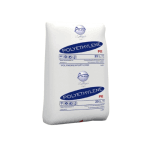
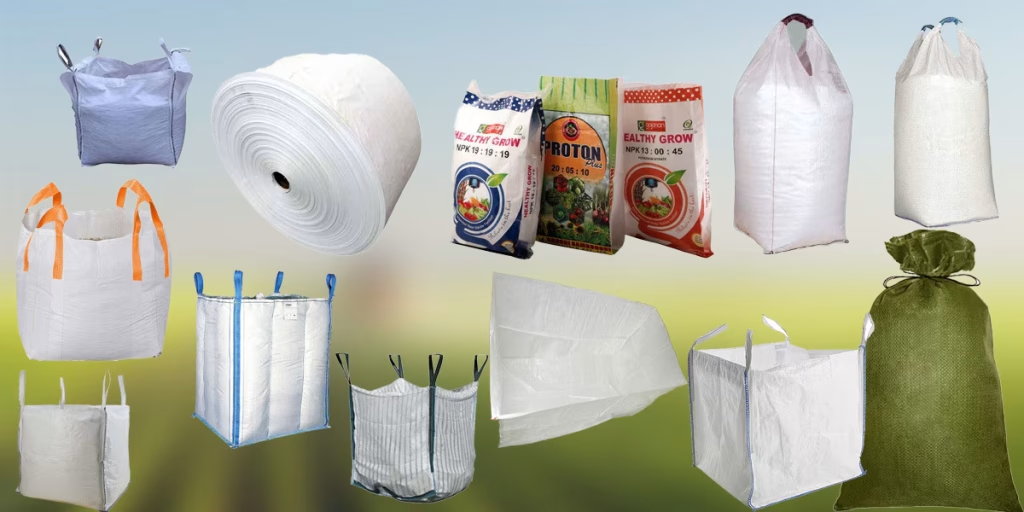
The physical form and packaging of PET resin directly impact handling, storage, and processing efficiency. For PET Resin for Bottlers: IV, Food-Grade & Packaging, materials are typically supplied in two primary forms:
- 25 kg Bags: These smaller bags are convenient for bottlers with lower volume requirements or those who prefer a more manageable unit size. They are usually made of woven polypropylene and are often shrink-wrapped for stability and protection.
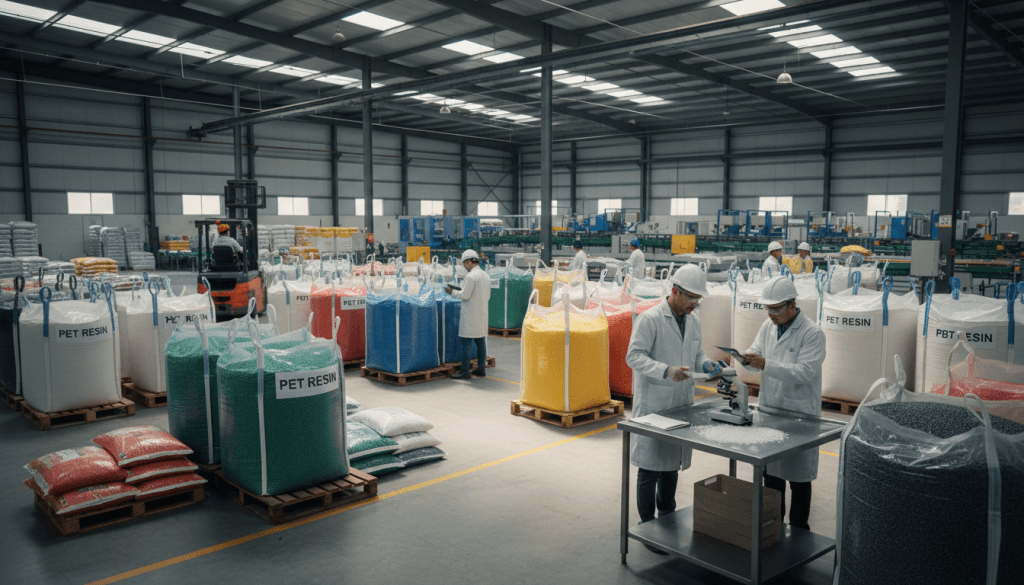
- Jumbo Bags (Bulk Bags/FIBCs): These larger bags, typically holding 500 kg to 1,200 kg of resin, are ideal for high-volume operations and PET resin export. They offer cost efficiencies in terms of labor and handling for large shipments. Jumbo bags are also typically constructed from woven polypropylene and are designed for safe lifting by forklift or crane.
Palletization is a critical aspect of packaging. Standard palletization for PET resin involves stacking the 25 kg bags or jumbo bags onto wooden or plastic pallets, securing them with stretch wrap or strapping. This unitized approach simplifies loading/unloading, improves warehouse stability, and minimizes damage during transit. Common pallet dimensions and configurations vary by region but are generally designed to fit standard shipping containers and truck trailers. For example, a standard 20-foot container can typically accommodate 20-22 pallets of PET resin, depending on the size of the bags/jumbo bags and the pallet footprint. Understanding these packaging standards is vital for accurate logistics planning and ensuring that the material arrives at your facility ready for immediate use.
MOQs, Lead Times, and Production Planning
For bottlers looking to procure PET Resin for Bottlers: IV, Food-Grade & Packaging, understanding Minimum Order Quantities (MOQs) and lead times is crucial for effective production planning and inventory management. MOQs vary significantly between suppliers and depend on factors such as the specific grade of resin, packaging format, and the supplier’s production capacity.
- MOQs: For standard 25 kg bags, MOQs might range from a few metric tons. For jumbo bags, especially for PET resin export orders, MOQs are typically higher, often starting at 20-25 metric tons (a standard container load). Some suppliers may offer flexibility for smaller quantities, but this often comes with a premium on the per-kilogram price.
- Lead Times: Lead times encompass the period from order placement to dispatch and can range from 2 to 8 weeks, or sometimes longer, especially for specialized grades or during periods of high global demand. This duration includes production, quality control, packaging, and preparation for shipment. Factors influencing lead times include:
- Current Production Schedule: How busy the supplier’s plant is.
- Raw Material Availability: Ensuring consistent supply of PTA and MEG.
- Packaging Requirements: Availability of bags, pallets, and other materials.
- Shipping and Logistics: Port congestion, vessel availability, and transit times.
Accurate production planning requires diligent communication with your PET resin supplier. Confirming projected MOQs and realistic lead times will prevent production stoppages and ensure a steady flow of materials for your bottling operations. If you are considering PET resin export, factor in additional time for customs clearance and potential transit delays.
Documentation and Compliance: Ensuring Smooth Transactions
When engaging in the procurement of PET Resin for Bottlers: IV, Food-Grade & Packaging, especially for PET resin export, meticulous attention to documentation is critical for both quality assurance and regulatory compliance. Key documents that should accompany every shipment include:
- Certificate of Analysis (COA): This document, provided by the supplier, confirms that a specific batch of PET resin meets the agreed-upon specifications. It details key parameters such as intrinsic viscosity (IV), color, moisture content, ash content, and residual acetaldehyde (AA) levels. A sample COA provides a snapshot of the expected results, but the COA for the actual shipment is binding.
- Material Safety Data Sheet (MSDS) / Safety Data Sheet (SDS): This document provides essential information on the chemical properties of the resin, potential hazards, safe handling procedures, emergency measures, and disposal considerations.
- Statement of Food-Grade Compliance: A formal declaration from the supplier confirming that the PET resin meets the relevant food-contact regulations of the target market (e.g., FDA, EFSA).
- Bill of Lading (BOL) / Air Waybill: The transport document issued by the carrier, detailing the shipment, consignor, consignee, and cargo.
- Commercial Invoice & Packing List: Standard trade documents detailing the quantity, price, and contents of the shipment.
Mini-Checklist: Essential Documentation for PET Resin Procurement
| Document Type | Purpose | Checklist Item |
|---|---|---|
| COA | Verifies product quality and adherence to agreed specifications. | Is the IV value within the specified range? Are other key parameters (color, moisture) within spec? |
| MSDS/SDS | Ensures safe handling, storage, and emergency preparedness. | Is the MSDS/SDS current and readily available? Are handling instructions clear? |
| Food-Grade Statement | Confirms compliance with relevant food safety regulations for the destination market. | Does the statement explicitly mention compliance with FDA/EFSA/local regulations? |
| Customs Declarations | Required for international trade to determine duties and taxes. | Are Harmonized System (HS) codes accurate? Are country of origin details correct for PET resin export? |
| Certificate of Origin | May be required for preferential trade agreements or customs purposes. | Is the Certificate of Origin correctly formatted and issued by the relevant authority? |
| Supplier Audit Report | (Optional but recommended for high-volume) Confirms supplier’s production standards and quality management. | Has the supplier undergone recent, satisfactory audits (e.g., ISO 9001, GMP)? |
Thorough review and validation of these documents are crucial steps before accepting a shipment, particularly when dealing with PET Resin for Bottlers: IV, Food-Grade & Packaging for international markets.
Logistics and Incoterms for Global PET Resin Export
Navigating the complexities of global logistics is a critical component of successful PET Resin for Bottlers: IV, Food-Grade & Packaging procurement, especially when dealing with PET resin export. Incoterms (International Commercial Terms) define the responsibilities, costs, and risks between buyers and sellers in international transactions. Understanding these terms is vital for effective cost calculation and risk management.
Commonly used Incoterms for PET resin shipments include:
- FOB (Free On Board): The seller is responsible for delivering the goods, cleared for export, onto the vessel nominated by the buyer at the named port of shipment. All costs and risks thereafter are transferred to the buyer. This is a frequent choice for PET resin export as it gives the buyer control over the main carriage.
- CIF (Cost, Insurance, and Freight): The seller pays for the cost, insurance, and freight to bring the goods to the named port of destination. The risk transfers to the buyer once the goods are on board the vessel at the origin port.
- EXW (Ex Works): The seller makes the goods available at their premises (factory or warehouse). The buyer bears all costs and risks associated with transporting the goods from the seller’s door to their final destination, including export clearance. This term places maximum responsibility on the buyer.
When considering PET Resin for Bottlers: IV, Food-Grade & Packaging, factors beyond Incoterms include:
- Shipping Container Type: Standard dry containers (20ft or 40ft) are typical. For high-volume shipments of jumbo bags, a 40ft container offers better per-unit cost economics.
- Port Congestion and Vessel Schedules: These can significantly impact lead times. Proactive planning and communication with logistics partners are essential.
- Customs Clearance: Buyers are responsible for import duties, taxes, and clearance procedures in their destination country. Timely provision of accurate documentation is key.
A well-defined logistics strategy, including the appropriate Incoterm selection, ensures that your PET resin reaches your facility efficiently and cost-effectively.

Managing Risks and Handling Claims
Despite meticulous planning and adherence to PET Resin for Bottlers: IV, Food-Grade & Packaging specifications, unforeseen issues can arise during PET resin export. Proactive risk management and a clear claims process significantly mitigate potential financial losses and production disruptions.
Common risks associated with international PET resin procurement include:
- Quality Defects: The resin may not meet the agreed-upon IV, color, contamination levels, or food-grade compliance specifications.
- Damaged Packaging: Bags may be torn, pallets broken, or goods compromised during transit, leading to material loss or contamination.
- Shortages: The quantity of resin delivered may be less than invoiced.
- Transit Delays: Extended shipping times can disrupt production schedules.
Handling Claims:
- Immediate Inspection: Upon arrival, thoroughly inspect the shipment. Note any visible damages on the carrier’s delivery receipt (e.g., Bill of Lading).
- Document Evidence: Collect photographic evidence of any observed defects, product issues, or damaged packaging. This documentation is crucial for supporting a claim.
- Notify Supplier Promptly: Inform your PET resin supplier in writing as soon as possible after discovering any discrepancies. Adhere to the timeframes specified in the sales contract for raising claims.
- Provide Detailed Information: Submit a formal claim to the supplier, including the COA for the affected batch, photographic evidence, a description of the issue, and the quantity of material in question.
- Carrier Claim: If damage occurred during transit and was noted on the delivery receipt, file a claim with the shipping carrier.
- Resolution: Work with your supplier to reach a mutually agreeable resolution, which may include replacement material, a price adjustment, or a refund.
Understanding the supplier’s policy on claims and the terms of your contract is essential before and during the procurement process for PET Resin for Bottlers: IV, Food-Grade & Packaging.
Conclusion
Sourcing PET Resin for Bottlers: IV, Food-Grade & Packaging is a critical decision that directly impacts product quality, consumer safety, and operational efficiency. By thoroughly understanding intrinsic viscosity (IV) and selecting the appropriate grade, ensuring strict food-grade compliance, adhering to packaging standards, and managing MOQs and lead times effectively, bottlers can build robust and reliable supply chains. Diligent attention to documentation and logistics, combined with a proactive approach to risk management, further solidifies a strong foundation for successful operations. Making informed choices about your PET resin supplier and material specifications is key to achieving your bottling objectives.
When you are ready to secure high-quality PET Resin for Bottlers: IV, Food-Grade & Packaging, partner with an experienced supplier who prioritizes transparency, quality, and compliance for all your global PET resin export needs.