



Navigating the Complexities of PVC to Europe & Carbon Transparency: Ensuring EU Compliance, Supplier Declarations, Chain of Custody, Carbon Data, Traceability, Audits, Documentation, and Updates
The global chemical industry is undergoing a profound transformation, with increasing regulatory scrutiny and a growing demand for sustainable practices. For businesses exporting PVC to Europe, navigating these shifts is paramount. Achieving seamless PVC to Europe & Carbon Transparency: Ensuring EU Compliance, Supplier Declarations, Chain of Custody, Carbon Data, Traceability, Audits, Documentation, and Updates requires a proactive and comprehensive approach to regulatory adherence and supply chain integrity. This article delves into the critical elements necessary for successful and compliant PVC exports to the European market, focusing on the interconnectedness of environmental data, supplier accountability, and robust internal processes.
Executive Summary
- Achieving sustainable and compliant PVC to Europe & Carbon Transparency: Ensuring EU Compliance, Supplier Declarations, Chain of Custody, Carbon Data, Traceability, Audits, Documentation, and Updates necessitates a deep understanding of European chemical regulations, such as REACH and CLP.
- Robust chain of custody and traceability systems are vital for verifying the origin and journey of PVC, supported by thorough supplier declarations and consistent audits.
- Collecting and reporting accurate carbon data is becoming increasingly important for market access and demonstrating environmental commitment, requiring rigorous documentation processes and regular updates.
- Proactive management of all these elements, from initial material sourcing to final delivery, is crucial for minimizing risks and ensuring long-term market success.
Understanding the European Regulatory Landscape for PVC
The European Union has established stringent regulations governing the import and use of chemicals, including PVC. The Registration, Evaluation, Authorisation and Restriction of Chemicals (REACH) regulation is foundational, requiring companies to register substances they manufacture or import into the EU, providing comprehensive data on their properties and risks. Closely linked is the Classification, Labelling and Packaging (CLP) regulation, which aligns EU legislation with the United Nations’ Globally Harmonised System (GHS) for chemical classification and hazard communication.
For PVC exporters, compliance means not only understanding these overarching frameworks but also delving into specific substance restrictions and requirements that may apply to certain additives or components within the PVC formulation. Proactive engagement with the regulatory landscape is not just a legal obligation; it’s a strategic imperative for building trust and securing market access. Understanding the nuances of these regulations directly impacts the demands placed on PVC to Europe & Carbon Transparency: Ensuring EU Compliance, Supplier Declarations, Chain of Custody, Carbon Data, Traceability, Audits, Documentation, and Updates.

Key Components of PVC to Europe & Carbon Transparency: Ensuring EU Compliance, Supplier Declarations, Chain of Custody, Carbon Data, Traceability, Audits, Documentation, and Updates
Successfully exporting PVC to Europe involves a multi-faceted approach, where transparency, compliance, and sustainability are inextricably linked. This section breaks down the critical components essential for achieving high standards in PVC to Europe & Carbon Transparency: Ensuring EU Compliance, Supplier Declarations, Chain of Custody, Carbon Data, Traceability, Audits, Documentation, and Updates.

PVC Grades and Specifications for European Markets
Europe has diverse industrial applications for PVC, ranging from construction materials like pipes and window profiles to medical devices and packaging. Each application often demands specific grades and adherence to particular technical specifications. Understanding the target market’s requirements is the first step in ensuring your PVC product meets the necessary performance, safety, and regulatory standards.
This includes detailed knowledge of physical properties such as molecular weight distribution, porosity, particle size, thermal stability, and plasticity. Furthermore, European standards, such as those set by CEN (the European Committee for Standardization), often dictate specific requirements for PVC used in various end-products. Demonstrating consistency in these specifications through rigorous quality control is paramount for PVC to Europe & Carbon Transparency: Ensuring EU Compliance, Supplier Declarations, Chain of Custody, Carbon Data, Traceability, Audits, Documentation, and Updates.
Packaging and Palletization Standards
Proper packaging and palletization are crucial for the safe and efficient transport of PVC, especially during international shipments to Europe. European logistics providers and end-users often have specific preferences and requirements for how PVC resin is packed and handled. This typically involves robust packaging solutions that protect the material from moisture, contamination, and physical damage during transit.
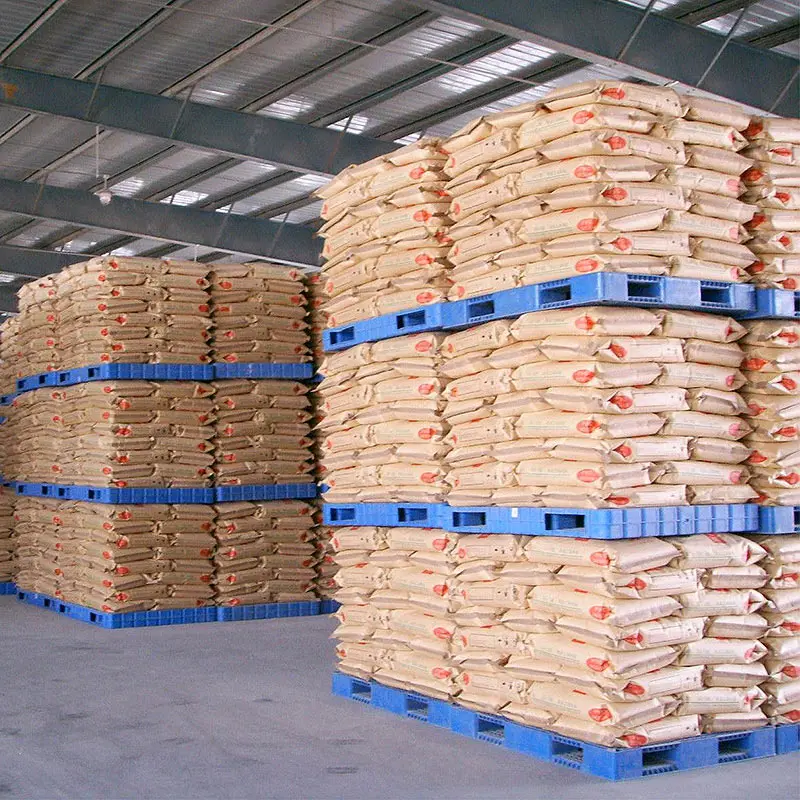
Common packaging formats include 25 kg bags and larger 500 kg or 1000 kg jumbo bags (also known as bulk bags or flexible intermediate bulk containers – FIBCs). These bags are then typically stacked and secured onto pallets, often conforming to European pallet standards like the EUR-EPAL pallet. Ensuring that packaging materials are compliant with EU regulations, such as those concerning wood packaging (ISPM 15 standards for timber), is also a critical aspect of PVC to Europe & Carbon Transparency: Ensuring EU Compliance, Supplier Declarations, Chain of Custody, Carbon Data, Traceability, Audits, Documentation, and Updates.
Comparison of Common PVC Packaging Options
| Feature | 25 kg Bags | Jumbo Bags (500-1000 kg) |
|---|---|---|
| Handling | Manual, Forklift | Forklift, Crane |
| Unit Size | Smaller, easier to manage | Larger, more efficient for bulk |
| Dust Control | Generally good | Requires careful handling |
| Flexibility | High, suitable for smaller orders | Lower, best for large volumes |
| Palletization | Standard pallet configuration | Requires specialised pallets |
| Compliance | EU packaging directives apply | EU packaging directives apply |
Minimum Order Quantities (MOQ) and Lead Times
For international trade, understanding Minimum Order Quantities (MOQ) and lead times is essential for supply chain planning and inventory management. European buyers will assess your production capacity and ability to meet their demand consistently. MOQs can vary based on the PVC grade, packaging, and supplier’s production schedules.
Lead times encompass the period from order confirmation to dispatch, including production, quality control, packaging, and preparation for shipment. Accurate communication and adherence to these timelines are vital for building trust and ensuring that your commitment to PVC to Europe & Carbon Transparency: Ensuring EU Compliance, Supplier Declarations, Chain of Custody, Carbon Data, Traceability, Audits, Documentation, and Updates translates into reliable delivery.
The Pillars of Documentation and Compliance
Comprehensive and accurate documentation forms the bedrock of PVC to Europe & Carbon Transparency: Ensuring EU Compliance, Supplier Declarations, Chain of Custody, Carbon Data, Traceability, Audits, Documentation, and Updates. For imports into Europe, several key documents are typically required:
- Certificate of Analysis (CoA): This document confirms that a specific batch of PVC meets the agreed-upon technical specifications and quality standards. It includes test results for key properties.
- Material Safety Data Sheet (MSDS) / Safety Data Sheet (SDS): In line with CLP regulations, SDSs provide essential information on the hazards of PVC and how to handle it safely, including first aid measures, fire-fighting measures, and disposal considerations.
- Origin Certificates: These may be required to confirm the country of origin for customs purposes and potential trade agreements.
- Supplier Declarations: These critical documents affirm that the supplier adheres to specific quality, environmental, and ethical standards. They are increasingly important for buyers to demonstrate their own due diligence and compliance with regulations like REACH. A supplier declaration often includes statements about the absence of certain restricted substances and commitment to transparency.
- Chain of Custody Documentation: Maintaining a clear chain of custody tracks the PVC from its raw material origin (or production) through all stages of manufacturing, packaging, and transportation. This demonstrates the material’s journey and helps prevent substitution or contamination.
- Carbon Data Reports: As sustainability gains prominence, providing quantifiable carbon data related to the production and transportation of PVC is becoming a significant differentiator. This involves Life Cycle Assessment (LCA) data or specific carbon footprint reports for the product.
- Audits: Regular audits, whether internal or by third parties, are crucial for verifying compliance with documented procedures and regulatory requirements. These audits provide assurance to buyers that your operations meet high standards.
- Updates: Regulatory frameworks and market expectations are constantly evolving. Maintaining an up-to-date understanding of these changes and reflecting them in your documentation and updates is non-negotiable. This includes keeping SDSs current, responding to updated REACH annexes, and informing buyers of any changes in production processes or material composition that might affect compliance.

Mini-Checklist: Essential Documentation for PVC Export to Europe
- [ ] Latest version of Material Safety Data Sheet (SDS) compliant with EU CLP Regulation.
- [ ] Certificate of Analysis (CoA) for each batch, clearly detailing specifications.
- [ ] Detailed supplier declaration confirming compliance with REACH, RoHS, and ethical standards.
- [ ] Proof of packaging compliance (e.g., ISPM 15 for wooden pallets, if applicable).
- [ ] Documentation supporting the chain of custody.
- [ ] Records of recent audits (internal and/or external).
- [ ] Evidence of carbon data reporting or LCA studies.
- [ ] Clear record of updates to product specifications or regulatory compliance.
Logistics and Incoterms for PVC Shipments
The choice of Incoterms (International Commercial Terms) significantly affects the responsibilities, costs, and risks associated with international shipping. Common Incoterms for chemical exports include EXW (Ex Works), FOB (Free On Board), CFR (Cost and Freight), and CIF (Cost, Insurance, and Freight). Selecting the appropriate Incoterm based on your capabilities and the buyer’s preferences is crucial for efficient logistics.
For PVC to Europe, ensuring that the chosen Incoterm facilitates clear lines of responsibility for customs clearance, duties, and insurance is paramount. Robust traceability systems are also essential during transit to monitor shipments, anticipate potential delays, and ensure the integrity of the product from the point of loading to arrival at the European port or destination. Understanding your role in the broader logistics chain directly supports the overall PVC to Europe & Carbon Transparency: Ensuring EU Compliance, Supplier Declarations, Chain of Custody, Carbon Data, Traceability, Audits, Documentation, and Updates.
For a deeper understanding of international shipping terms, consult the official Incoterms® rules published by the International Chamber of Commerce (ICC).
Managing Risks and Claims with Robust Traceability
Despite meticulous planning, risks such as shipping damage, contamination, or quality discrepancies can arise. Having a well-defined chain of custody and comprehensive traceability mechanisms in place is critical for managing these risks effectively. This allows for quick identification of the source of any issue, whether it’s a manufacturing defect, a handling problem during transit, or a supplier declaration inaccuracy.
When claims do occur, the ability to trace the specific batch of PVC back to its production parameters, raw material sources, and transportation history allows for a faster, fairer resolution. It also provides invaluable data for preventing future occurrences. Investing in robust traceability is not just about compliance; it’s about operational resilience and maintaining buyer confidence in your commitment to delivering quality and adhering to all aspects of PVC to Europe & Carbon Transparency: Ensuring EU Compliance, Supplier Declarations, Chain of Custody, Carbon Data, Traceability, Audits, Documentation, and Updates.
Regular audits of your traceability systems and the continuous review and updates of your processes further strengthen your ability to mitigate risks and manage claims. This proactive approach demonstrates a high level of professionalism and diligence to your European partners.
Conclusion
The export of PVC to Europe is a complex undertaking, demanding rigorous adherence to regulations, meticulous record-keeping, and a deep commitment to transparency throughout the supply chain. Achieving seamless PVC to Europe & Carbon Transparency: Ensuring EU Compliance, Supplier Declarations, Chain of Custody, Carbon Data, Traceability, Audits, Documentation, and Updates is not merely a regulatory hurdle but a strategic advantage.
By prioritizing accurate documentation, robust quality control, clear chain of custody, reliable supplier declarations, and verifiable carbon data, businesses can build strong, lasting relationships with European buyers. Continuous investment in traceability and regular audits will ensure your operations remain compliant and resilient in an ever-evolving global market. Embracing these principles proactively will unlock new opportunities and solidify your position as a trusted supplier in the European chemical sector.
To navigate these requirements effectively and ensure your continued success in the European market, focus on implementing and maintaining comprehensive systems for PVC to Europe & Carbon Transparency: Ensuring EU Compliance, Supplier Declarations, Chain of Custody, Carbon Data, Traceability, Audits, Documentation, and Updates.