
Here is your publication-ready article about Serious Buyer Signals in PE/PP, incorporating your specific requirements and using “Serious Buyer Signals in PE/PP” as the exact focus keyword phrase.
Serious Buyer Signals: 5 Key PE/PP Indicators are crucial for suppliers to identify buyers who are genuinely ready to place orders. Understanding these indicators can save time, improve negotiation efficiency, and ensure more successful transactions in the PE/PP market
Understanding Serious Buyer Signals in PE/PP Indicators
When navigating the complex world of petrochemicals, discerning genuine interest from casual inquiries is crucial. Understanding Serious Buyer Signals in PE/PP can significantly streamline your sales process, allowing you to focus resources effectively and close more deals.
“Identifying Serious Buyer Signals: 5 Key PE/PP Indicators allows suppliers to focus on genuine inquiries. Tracking these indicators improves order conversion and minimizes wasted effort.Serious Buyer Signals: 5 Key PE/PP Indicators are essential for suppliers to identify buyers who are genuinely ready to place orders.
The Serious Buyer Signals: 5 Key PE/PP Indicators provide a clear framework for evaluating buyer intent. Suppliers can use these indicators to distinguish between casual inquiries and genuine purchase opportunities. The five key indicators are:
- Clear and detailed RFQs (Request for Quotation) – Buyers provide precise order specifications.
- Timely and consistent communication – Buyers respond quickly and reliably.
- Willingness to provide documentation – Necessary certificates, company information, or payment details are shared.
- Repeated engagement – Buyers maintain contact and show interest in multiple products or orders.
- Readiness for negotiation – Buyers are open to discussing prices, shipping, and contract
Executive Summary
- RFQ Clarity: A well-defined RFQ template with specific buyer requirements, detailed specifications, and clear delivery expectations is a strong indicator of a serious buyer.
- Quantifiable Commitments: Buyers who provide realistic lot sizes and well-defined lead times demonstrate a tangible plan for procurement, signaling serious intent.
- Due Diligence on Quality: Requests for detailed spec matching and a sample COA, alongside clear packaging & labeling instructions, highlight a buyer’s technical seriousness and commitment to quality control.
- Financial Preparedness: Openness to discussing payment terms and adherence to industry-standard financial practices suggest commercial readiness.
Decoding Intent: The RFQ Template and Buyer Requirements Serious Buyer Signals: 5 Key PE/PP Indicators
The initial interaction often sets the tone for the entire negotiation. A truly interested party will invest time in providing a comprehensive RFQ template. This document is more than just a request for a quote; it’s a blueprint of their needs. Look for detailed buyer requirements that go beyond basic material grades.
Are they specifying particular performance characteristics, regulatory compliance (e.g., FDA, REACH), or application-specific properties? Vague requests for “polypropylene” or “polyethylene” without any further detail might indicate a less committed buyer.
A buyer showing one or more of the Serious Buyer Signals: 5 Key PE/PP Indicators demonstrates commitment. For instance, buyers who submit detailed RFQs or confirm shipment terms are likely.When a buyer exhibits one or more of the Serious Buyer Signals: 5 Key PE/PP Indicators, suppliers can be confident in their intent. For example, buyers who submit complete RFQs or confirm shipment timelines demonstrate commitment. Observing these indicators consistently ensures that suppliers invest their time efficiently and secure quality deals
Conversely, a buyer who has meticulously filled out an RFQ template, asking about specific melt flow rates (MFR), density, tensile strength, or impact resistance for their PE/PP grades, is clearly signaling serious buyer signals in PE/PP. They have likely done their homework and understand their application’s demands. This diligence in defining buyer requirements indicates they are not just browsing but actively seeking a supplier that can meet precise technical criteria.

Lot Sizes and Lead Times: Gauging Commitment
The quantity of material a buyer intends to purchase and their desired delivery timeline are critical indicators of their commitment. Lot sizes that are too small, or fluctuate wildly, might suggest a trial order or a buyer who is not yet consolidated in their needs. However, even trial orders can be serious if the intent for future growth is clear. More often, a buyer requesting substantial lot sizes, aligned with typical industrial consumption for their sector, is a strong signal of genuine demand.
Similarly, realistic lead times are paramount. A buyer who understands the manufacturing and shipping schedules involved in petrochemicals and requests a delivery window that is achievable (e.g., 4-8 weeks, depending on material availability and logistics) is likely planning a real production cycle. Unrealistic lead times (e.g., “needed yesterday”) can sometimes indicate desperation or a lack of understanding, which might not always translate to a smooth transaction. However, if accompanied by other strong Serious Buyer Signals in PE/PP, it could simply be a matter of urgency driven by external factors.
Packaging & Labeling: Precision in Presentation
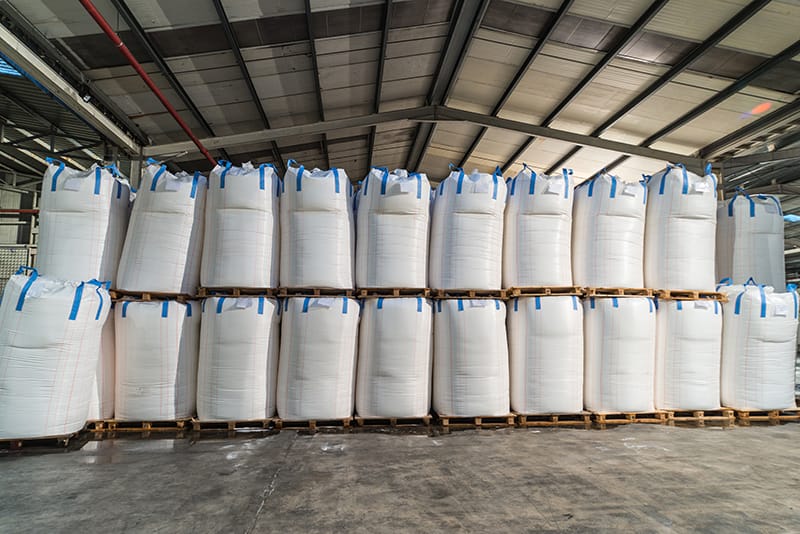
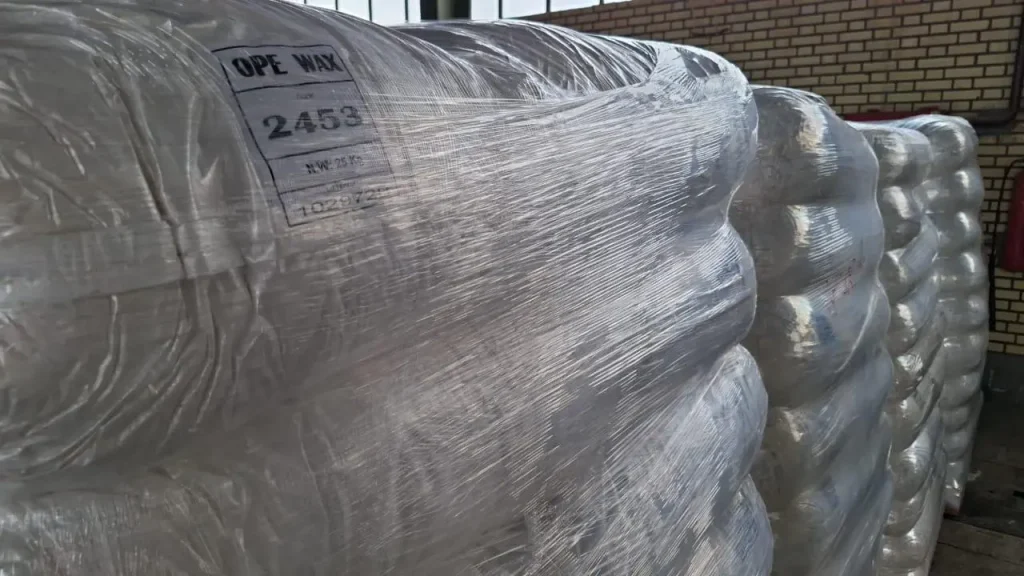
The way a buyer specifies their packaging & labeling requirements can reveal a great deal. While standard industrial packaging (e.g., 25 kg bags on pallets, jumbo bags/FIBCs) is common, specific instructions often highlight attention to detail and operational integration. Are they requesting particular bag types (e.g., anti-static, moisture-proof), specific pallet dimensions, or unique labeling data (batch numbers, production dates, specific safety pictograms)?Implementing the Serious Buyer Signals: 5 Key PE/PP Indicators helps suppliers increase conversion rates and reduce wasted effort. Prioritizing serious buyers leads to faster negotiations, stronger relationships, and higher revenue. Additionally, using these indicators ensures that resources are focused on leads that are more likely to result in successful transactions
A buyer who is highly particular about packaging & labeling is likely integrating the material directly into their production line and has established protocols for handling and storage. This suggests that the material purchase is a necessary component for their ongoing operations, not a speculative acquisition. These detailed buyer requirements around packaging show they’ve thought through the logistical chain, which is a hallmark of experienced procurement.A buyer showing one or more of the Serious Buyer Signals: 5 Key PE/PP Indicators demonstrates commitment. For instance, buyers who submit detailed RFQs or confirm shipment terms are likely serious. Monitoring these behaviors ensures suppliers invest their time wisely
Payment Terms and Financial Readiness
The discussion around payment terms is a sensitive but crucial aspect of identifying serious buyer signals in PE/PP. While some buyers may prefer to defer this discussion until later stages, others are open to outlining their terms early on. A buyer who is transparent about their preferred payment terms (e.g., Letter of Credit (LC), Telegraphic Transfer (TT) in advance, or Net 30/60 days after delivery with appropriate credit vetting) and demonstrates a clear understanding of standard industry practices is typically financially prepared.In conclusion, tracking Serious Buyer Signals: 5 Key PE/PP Indicators is a strategic approach for any supplier in the PE/PP market.
By understanding and applying these signals, businesses can identify genuine buyers, streamline the sales process, and enhance overall efficiency. Remember, consistent use of the Serious Buyer Signals: 5 Key PE/PP Indicatorsseparates casual inquiries from serious opportunities and drives long-term success
Be wary of buyers who are excessively rigid, evasive, or consistently push for terms that are far outside industry norms without strong justification. However, a buyer who is willing to engage in a discussion about LCs, provide trade references, or offer a significant down payment often signifies financial seriousness. Their willingness to commit to financial arrangements is a direct indicator of their capability and intent to complete the transaction.
Spec Matching and Sample COA: The Technical Deal-Breakers
The technical specifications of PE/PP are paramount, and how a buyer approaches spec matching is a strong indicator. A serious buyer will provide detailed technical data sheets (TDS) for their existing material or clearly define the required properties for the new material. They will be keen on verifying that the material you offer meets or exceeds these specifications consistently. This involves a meticulous comparison between your product data and their buyer requirements.
The request for a sample COA (Certificate of Analysis) alongside material samples is a significant step for any buyer. The COA is a document that attests to the material’s properties as tested by the manufacturer. A buyer asking for a sample COA from a specific batch, often accompanied by the request for their own incoming quality control (QC) testing on the sample, is demonstrating a high level of technical due diligence. This process ensures spec matching is not just theoretical but verifiable, highlighting their commitment to material integrity and their production quality. Without this, a deal is unlikely to proceed past the initial stages for many applications.

Logistics and Incoterms: Planning the Journey
Understanding the buyer’s preferences for logistics and their familiarity with Incoterms signals their readiness to manage the international trade process. Inquiries about shipping methods, port of destination, and preferred Incoterms (e.g., FOB, CFR, CIF, DAP) are strong Serious Buyer Signals: 5 Key PE/PP Indicators. A buyer who clearly states their preferred Incoterm indicates they have thought through the responsibilities for customs, insurance, and transportation costs.Using the Serious Buyer Signals: 5 Key PE/PP Indicatorsto identify serious buyers improves conversion rates and reduces wasted effort. Suppliers can prioritize high-quality leads, maintain better relationships, and increase overall revenue in the PE/PP industry.
For instance, a buyer requesting “CIF Shanghai Port” has specific expectations regarding cost and risk allocation during transit. Conversely, if a buyer is entirely unfamiliar with Incoterms or shows little interest in defining logistics, it might suggest they are less experienced or their procurement process is less mature. A robust understanding and clear communication regarding these aspects of the transaction are crucial for a successful, large-volume sale and indicative of serious buyer signals in PE/PP.

Risk Mitigation and Claims Handling
Every international transaction carries inherent risks. How a buyer approaches risk mitigation and dispute resolution can be telling. A serious buyer is often proactive in seeking clarity on your quality control processes, your manufacturing standards, and your policies for handling potential issues. They may inquire about product liability insurance or your approach to spec matching discrepancies.
Furthermore, their attitude towards establishing a framework for claims handling is important. A buyer who is willing to discuss a fair and transparent process for addressing any quality-related issues or shortages, referencing the sample COA and agreed specifications, is demonstrating a commitment to a long-term, professional relationship. This proactive approach to managing potential problems, rather than ignoring them, is a confident sign of their intent to secure a reliable supply chain.
Conclusion and Call to Action
Identifying Serious Buyer Signals: 5 Key PE/PP Indicators is a skill honed through experience, but by paying close attention to the details within RFQ templates, buyer requirements, lot sizes, lead times, packaging & labeling, payment terms, spec matching, and sample COA requests, suppliers can significantly improve their sales efficiency. These indicators collectively paint a picture of a buyer’s true commitment, technical understanding, financial readiness, and logistical planning.
By diligently evaluating these factors, you can prioritize your efforts and build stronger, more profitable relationships with genuinely interested partners.In summary, tracking Serious Buyer Signals: 5 Key PE/PP Indicators is a strategic approach to distinguish genuine buyers from casual inquiries. By applying these indicators consistently, suppliers strengthen their business processes and secure more successful deals
We encourage you to refine your sales process by actively looking for and evaluating these Serious Buyer Signals in PE/PP in every interaction.