
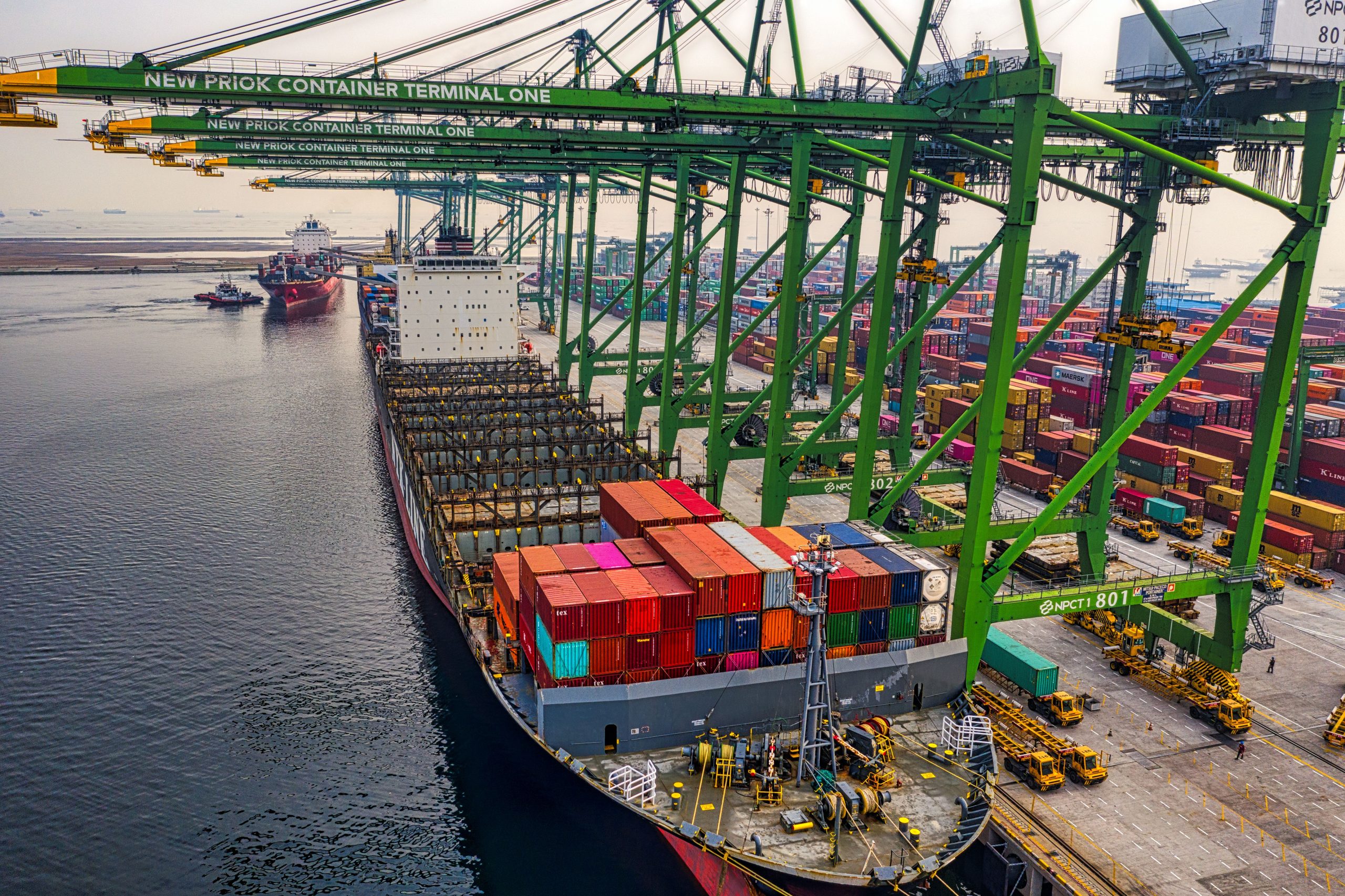
Petrochemical Import Best Practices
Introduction
The global demand for petrochemical products continues to grow, creating new opportunities for businesses involved in international trade. However, a successful petrochemical import is about much more than securing a competitive price. Choosing the right supplier, verifying product quality, preparing accurate documentation, and planning reliable logistics are all essential steps for a smooth and efficient import process.
Unfortunately, many importers encounter avoidable challenges because important details are overlooked early in the purchasing process. Missing documents, inconsistent product quality, poor packaging, or unclear shipping responsibilities can result in costly delays, unexpected expenses, and disruptions to production.
Whether you’re sourcing methanol, urea, polyethylene, MEA, caustic soda, bitumen, or other petrochemical products, understanding the most common import mistakes can help you make better business decisions and reduce unnecessary risks.
In this guide, you’ll discover seven common mistakes that every importer should avoid, along with practical tips to strengthen your petrochemical import strategy, improve supply chain reliability, and build long-term relationships with trusted suppliers.

Table of Contents
Why Careful Petrochemical Import Planning Matters
A successful petrochemical import doesn’t begin when the shipment leaves the supplier’s warehouse—it starts long before the purchase order is placed. Careful planning helps businesses reduce financial risks, avoid compliance issues, and ensure that products meet technical and regulatory requirements.
Importers who take the time to evaluate suppliers, review product specifications, and understand shipping responsibilities are far more likely to experience smooth deliveries and long-term supply chain stability. In contrast, rushing the purchasing process often results in costly mistakes that could have been avoided with proper preparation.

Mistake #1: Choosing a Supplier Based Only on Price
Price is always an impoPrice is always an important factor in any petrochemical import decision, but it shouldn’t be the only one. While a low quotation may seem attractive at first, the cheapest option isn’t always the best value. A supplier with significantly lower prices may struggle to maintain consistent product quality, meet delivery deadlines, or provide the technical support your business needs.
Rather than focusing solely on cost, take a broader view of the supplier. Consider their industry experience, production capacity, quality control processes, export track record, certifications, customer service, and financial stability. These factors provide a much clearer picture of whether the supplier can support your business over the long term.
In many cases, paying slightly more for a reliable supplier is a smarter investment. Consistent quality, dependable deliveries, and responsive support can help you avoid production delays, unexpected costs, and supply chain disruptions, making your petrochemical import process far more efficient and secure.
Mistake #2: Ignoring Product Specifications During Petrochemical Import
One of the most expensive mistakes in petrochemical import is purchasing a product without carefully reviewing its technical specifications.
Products with similar names may have different grades, purity levels, viscosities, or performance characteristics. Selecting the wrong specification can affect manufacturing processes, reduce product quality, or even make the material unsuitable for its intended application.
Before confirming an order, always review the supplier’s technical documentation, including:
- Certificate of Analysis (COA)
- Technical Data Sheet (TDS)
- Safety Data Sheet (SDS)
- Product specifications
If possible, request a product sample and verify its performance before committing to a large purchase. This simple step can prevent costly production issues and strengthen confidence in your supplier.

Mistake #3: Failing to Verify Supplier Credentials Before Petrochemical Import
A professional petrochemical import process should always include a thorough supplier evaluation. While many suppliers present attractive websites and competitive pricing, it’s important to verify their credibility before placing an order.
Start by researching the company’s background. Find out how long they have been operating, which countries they export to, and whether they have experience supplying the products you need. A reliable supplier should also be willing to provide references, certifications, and complete business information.
Whenever possible, request copies of quality certifications such as ISO standards and ask for recent export documents. If you’re placing a large order, consider arranging a factory visit or hiring a third-party inspection company. Taking these extra steps can significantly reduce the risks associated with petrochemical import and help you build a dependable long-term partnership.

Mistake #4: Overlooking Packaging and Shipping Requirements in Petrochemical Import
Even high-quality petrochemical products can lose their value if they are not packaged and transported correctly. Proper packaging is essential to protect materials from moisture, contamination, leakage, and physical damage during international shipping.
Depending on the product, petrochemicals may be shipped in drums, bags, jumbo bags, IBC tanks, or ISO tank containers. The right packaging should match both the product’s characteristics and the transportation method.
Before confirming an order, ask your supplier about:
- Available packaging options
- Palletizing methods
- Container loading procedures
- Storage recommendations
- Product shelf life
Understanding these details helps ensure your petrochemical import arrives safely, reduces transportation risks, and minimizes product loss during transit.
Mistake #5: Choosing the Wrong Incoterms for Petrochemical Import
Many importers focus on product pricing but overlook one of the most important parts of international trade—the shipping agreement.
Incoterms define which party is responsible for transportation costs, insurance, customs clearance, and delivery at each stage of the shipment. Selecting the wrong Incoterm can lead to unexpected expenses, delays, or confusion between the buyer and supplier.
Some of the most commonly used Incoterms include:
- EXW (Ex Works) – The buyer is responsible for almost the entire shipping process.
- FOB (Free On Board) – The seller delivers the cargo to the vessel, after which responsibility transfers to the buyer.
- CIF (Cost, Insurance and Freight) – The seller arranges transportation and insurance to the destination port.
- DDP (Delivered Duty Paid) – The seller manages transportation, customs clearance, duties, and delivery to the buyer’s location.
Choosing the right Incoterm depends on your company’s logistics experience, budget, and preferred level of control. Understanding these responsibilities is an essential part of a successful petrochemical import strategy.

Petrochemical Import Checklist
| Checklist Item | Why It Matters |
|---|---|
| Verify supplier credentials | Confirms reliability and export experience. |
| Review COA, TDS, and SDS | Ensures the product meets your technical requirements. |
| Confirm packaging specifications | Protects product quality during transportation. |
| Choose the correct Incoterm | Prevents unexpected shipping costs and responsibilities. |
| Inspect product samples | Reduces the risk of purchasing unsuitable materials. |
| Plan logistics in advance | Helps avoid customs delays and delivery disruptions. |
Mistake #6: Ignoring Long-Term Supply Reliability in Petrochemical Import
A successful petrochemical import is not just about receiving one shipment on time—it’s about building a reliable supply chain that supports your business for years to come.
Many importers focus on immediate needs without considering whether the supplier can maintain consistent quality and delivery in the future. Changes in production capacity, raw material availability, or logistics can quickly affect supply continuity.
Before signing a long-term agreement, ask your supplier questions such as:
- Can you guarantee consistent production capacity?
- What is your average lead time?
- How do you handle unexpected supply disruptions?
- Do you have backup production facilities or alternative shipping options?
A supplier with a strong supply chain and transparent communication is far more valuable than one offering only the lowest price. Long-term reliability reduces operational risks and helps your business avoid costly production interruptions.
Mistake #7: Poor Communication Throughout the Petrochemical Import Process
Clear communication is one of the most overlooked aspects of petrochemical import, yet it can determine whether a shipment arrives smoothly or becomes a costly problem.
Misunderstandings about product specifications, delivery schedules, payment terms, or shipping documents often lead to delays and unnecessary expenses. Working with a supplier that responds quickly, provides accurate information, and keeps you informed throughout the process makes international trade much easier.
Good communication should include:
- Fast response to inquiries
- Clear technical documentation
- Regular production and shipping updates
- Accurate export documents
- Prompt after-sales support
Reliable communication builds trust and creates stronger long-term partnerships between buyers and suppliers.
Conclusion
A successful petrochemical import requires much more than finding a competitive price. It involves selecting a trustworthy supplier, verifying product quality, reviewing technical documentation, choosing suitable packaging, understanding shipping responsibilities, and planning every stage of the supply chain.
By avoiding the seven common mistakes discussed in this guide, businesses can reduce procurement risks, improve operational efficiency, and establish long-term relationships with reliable suppliers.
Taking the time to evaluate suppliers carefully before placing an order not only protects your investment but also helps ensure consistent product quality and uninterrupted operations. In today’s competitive global market, informed purchasing decisions are one of the strongest advantages any importer can have.
Frequently Asked Questions
What is the biggest challenge in petrochemical import?
One of the biggest challenges is finding a reliable supplier who can consistently deliver high-quality products, complete documentation, and on-time shipments while meeting international standards.
Which documents are essential for petrochemical import?
Importers should always request the Certificate of Analysis (COA), Technical Data Sheet (TDS), Safety Data Sheet (SDS), Commercial Invoice, Packing List, Certificate of Origin, and other required shipping documents.
Why is supplier verification important in petrochemical import?
Supplier verification helps confirm a company’s experience, production capacity, certifications, and export history. This reduces the risk of quality problems, shipment delays, and unreliable business partners.
How can I reduce risks during petrochemical import?
Review product specifications carefully, verify supplier credentials, request product samples, choose appropriate Incoterms, and work with experienced logistics partners. These steps significantly reduce operational and financial risks.
Is the cheapest supplier always the best choice?
No. A low price may seem attractive, but long-term value depends on product quality, reliable deliveries, technical support, and consistent communication. Choosing a dependable supplier often results in lower overall costs over time.
